Light still needs a machine around it
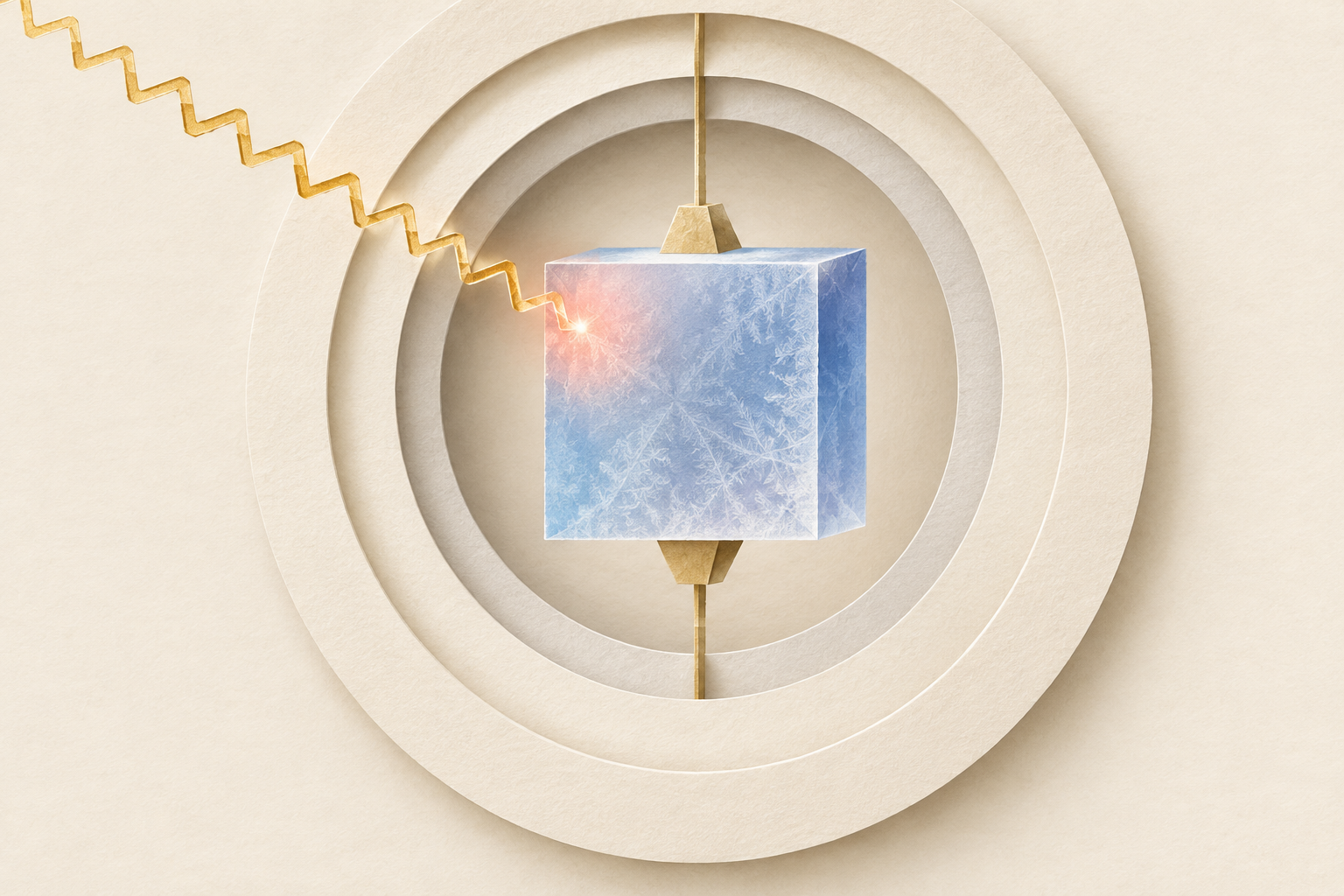
The PsiQuantum team’s 2025 paper describes components that generate, manipulate, connect and detect photonic qubits: quantum information carried using light. Its engineering approach integrates these building blocks through semiconductor manufacturing. The paper also identifies system needs such as control electronics, cooling for superconducting detectors and links between modules. [2]
What the recent award actually supports
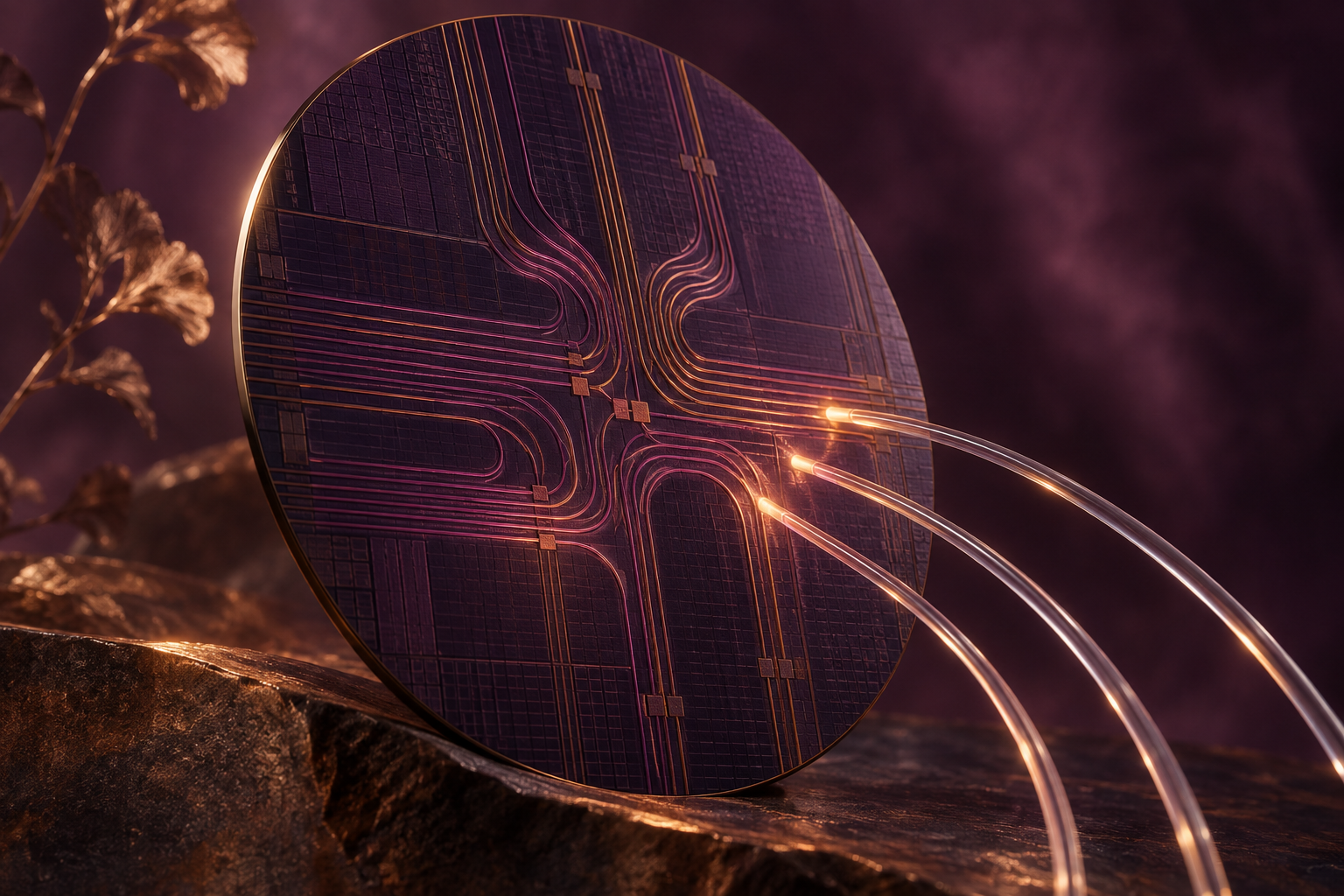
On September 8, 2026, the U.S. Department of Commerce announced a final CHIPS research and development award of up to $100 million to PsiQuantum. NIST identifies electro-optic materials, single-photon detectors and low-loss photonic packaging as targets. This is funding for technical work, not an announced result from a completed quantum computer. [1]
Why a strong component result needs context
The paper’s reported quantum benchmarks are conditional on detecting photons and do not account for loss. It also presents improved components intended for future fault-tolerant systems. A component test and reliable operation of the complete machine are different questions; the paper’s qualifications matter when reading its performance claims. [2]
Look for the next piece of evidence
Our interpretation: Our reading guide is to separate three things: resources committed, components demonstrated, and performance of an integrated system. Progress on one can enable the next, but the award amount alone cannot tell a reader which calculations a machine can reliably complete.
Go a little deeper
Optional reading · about 1 more minute
A source and a detector are partners
In the described photon sources, production is probabilistic: detecting one member of a generated pair signals the presence of the other. The paper calls this heralding. Detection therefore helps establish which events can be used, rather than serving only as an end-of-computation readout. [2]
A useful claim to watch for
Our interpretation: A future system claim should say what ran, how errors and losses were counted, and under what conditions. We are not forecasting a completion date, estimating commercial advantage or judging an investment. This article explains why manufacturing and component evidence belong alongside the headline funding number.
Original sources
Attributed synthesis, not original reporting. Examples labeled hypothetical or illustrative are explanatory. Reviewing a source does not independently validate its findings.
- NIST: Department of Commerce finalizes CHIPS R&D award with PsiQuantum ↗
September 8, 2026 official announcement read in Chrome September 16. Establishes announced award ceiling and R&D scope; not a performance evaluation.
- PsiQuantum team: A manufacturable platform for photonic quantum computing ↗
Published February 26, 2025. Open-access abstract, Main, technology stack, photon source and detection sections read in Chrome September 16. Developer-authored paper; no independent replication or supplements reviewed.