
THE REPOSITORY
Good questions do not expire at midnight.
Browse earlier coverage, with original dates and source links preserved.
Search all articles and sources → · Read the current edition →
A real permission screen can still grant access to the wrong app
Consent phishing targets the access you approve. A legitimate sign-in page does not establish that the app asking for your data is trustworthy.
Read the story →- Reach the hub: is the parcel on time?
- Catch the vehicle: is space available?
- Complete the transfer: can the hub cope?
A delivery benchmark must model the missed connection
Between warehouses, a parcel may change vehicles. Testing planning software means representing schedules and transfers, not just finding short routes.
Read the story →- Before: A shares with B; B shares with C
- At B: perform the swapping operation
- After: A and C share entanglement
A quantum repeater connects links without copying the state
An ordinary signal booster is the wrong model. One quantum-network approach joins shorter entangled links using operations at an intermediate node.
Read the story →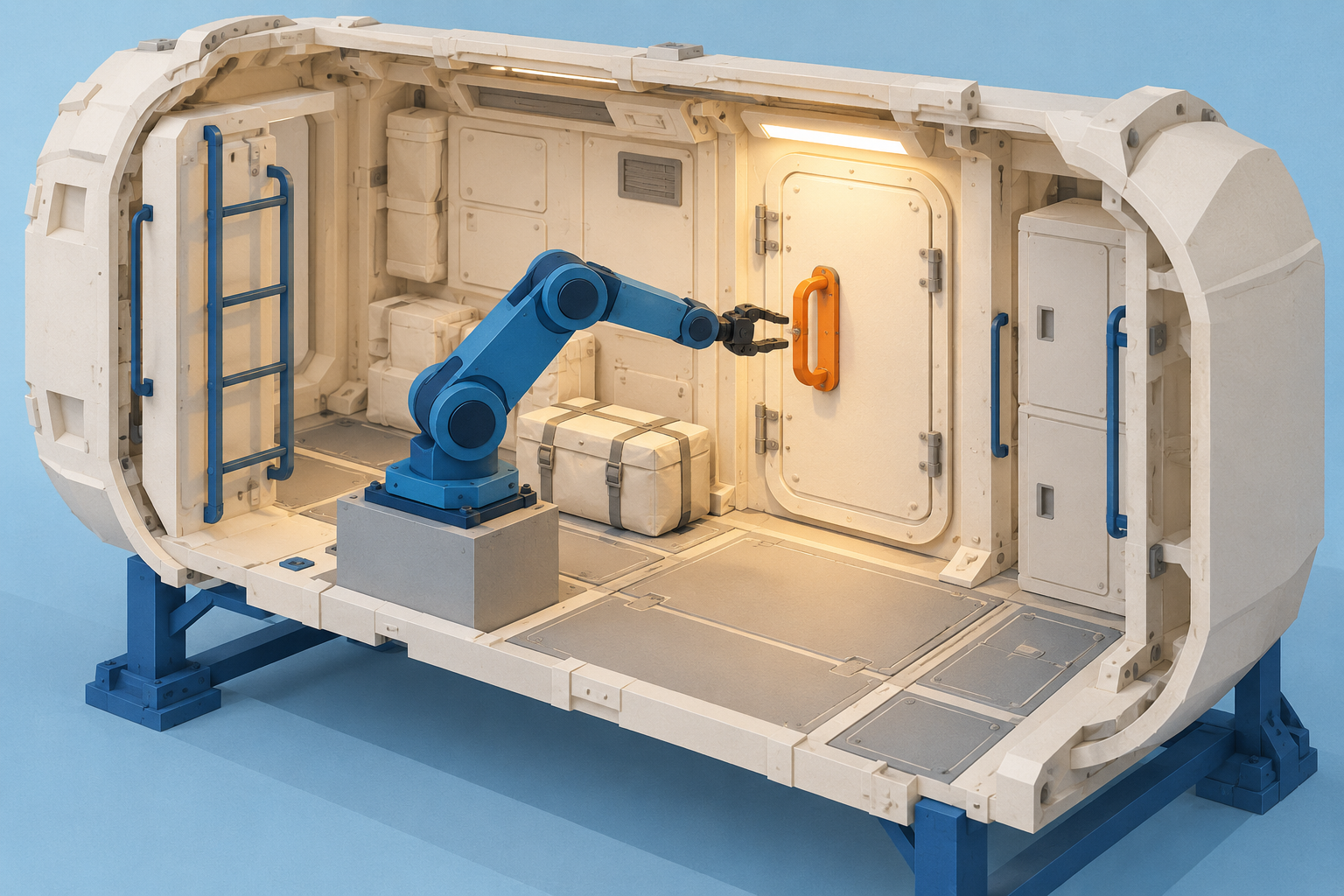 AI-generated concept illustrationPublished 2026-09-30 · Robots & human spaces · 2 MIN READ · EXPLAINER
A robot test can teach us how to build a better room
NASA’s iMETRO facility brings robots and habitat mockups together. A hatch, handle or light can be part of the engineering problem.
Read the story →- Update: what do the results imply?
- Choose: which setting teaches more?
- Measure: return with new evidence
A quantum experiment can choose its next question
A measurement need not follow a fixed sweep. Adaptive experiment design uses earlier results to choose a more informative setting for the next trial.
Read the story → AI-generated concept illustrationPublished 2026-09-29 · AI & visual storytelling · 2 MIN READ · EXPLAINER
An AI storyboard needs to remember what moved
Keeping a character recognizable is only part of visual continuity. A research system also tracks where objects belong—and when the story changes them.
Read the story →- Freeze: restrict a new creditor’s access
- Alert: require identity-checking steps
- Existing account: protect it separately
A credit freeze and a fraud alert protect different steps
One restricts access to a credit file; the other prompts identity checks. Knowing that distinction also makes their limits easier to understand.
Read the story →- During a drive: adjust wheel speeds
- Between drives: inspect wheel condition
- Operations: revisit driving guidance
A Mars rover can change how it drives to protect its wheels
Wheel damage is more than a maintenance photograph. Curiosity’s engineering history shows how inspections and wheel-speed control inform different parts of driving.
Read the story →- Metadata: a test name or identifier
- Context: the test question appears
- Answer: question and answer appear together
An AI test can accidentally put the answer on the web
When a research agent searches during an evaluation, it may retrieve the test question and its answer. A correct response then becomes harder to interpret.
Read the story →- Stored: keep it private and reachable
- Used: that code no longer works
- Replaced: follow your service’s rules
A backup sign-in code is a spare credential
Backup codes can help when your usual second step is unavailable. Their usefulness is also why they deserve careful storage and should never be shared.
Read the story →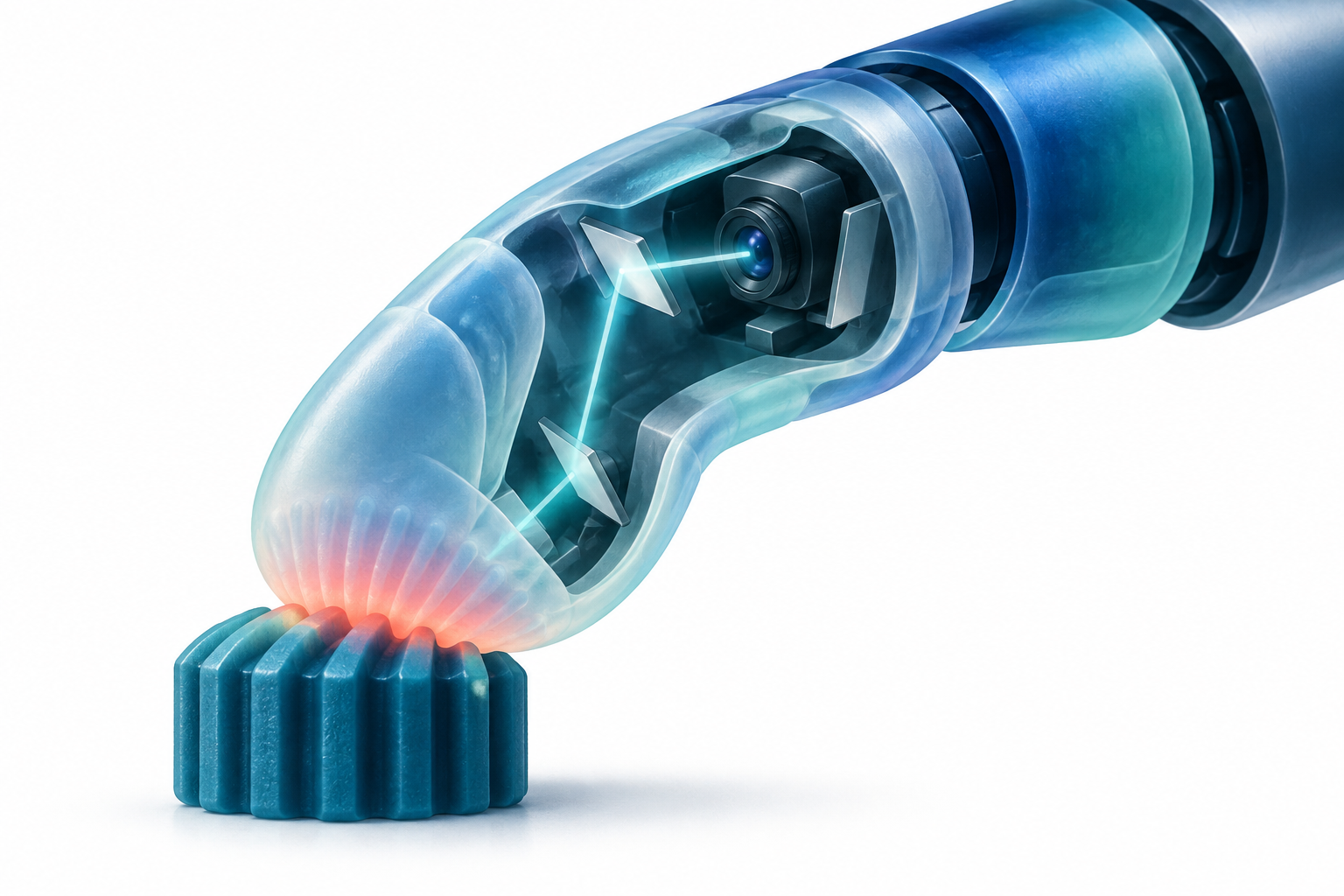 AI-generated concept illustrationPublished 2026-09-28 · Robotics & the sense of touch · 2 MIN READ · EXPLAINER
A robot finger can see where it feels
A curved touch sensor uses mirrors to let one internal camera watch a long contact surface. The optical design expands where a robot can sense a grasp.
Read the story →- Prepare: light sets the spin state
- Sense: a magnetic field affects the spin
- Read: count detected photons over repeats
A diamond sensor has to count the light it catches
A magnetic measurement can begin with a defect in diamond and end with sparse photon detections. Reading the signal is a measurement challenge of its own.
Read the story →- Keep the selected inputs
- Rank what remains in that context
- Add one and reassess
Why the next useful AI input depends on the last one
Feature selection tries to keep useful inputs within a budget. Choosing them one at a time can account for information already selected.
Read the story →- Device: still in use?
- Companion app: still maintained?
- Remote service: still supported?
A smart-device app can outlive the service it trusts
An old companion app may still contain links to remote services. A recent study examines what happens when those dependencies are abandoned—and what its scans cannot prove.
Read the story →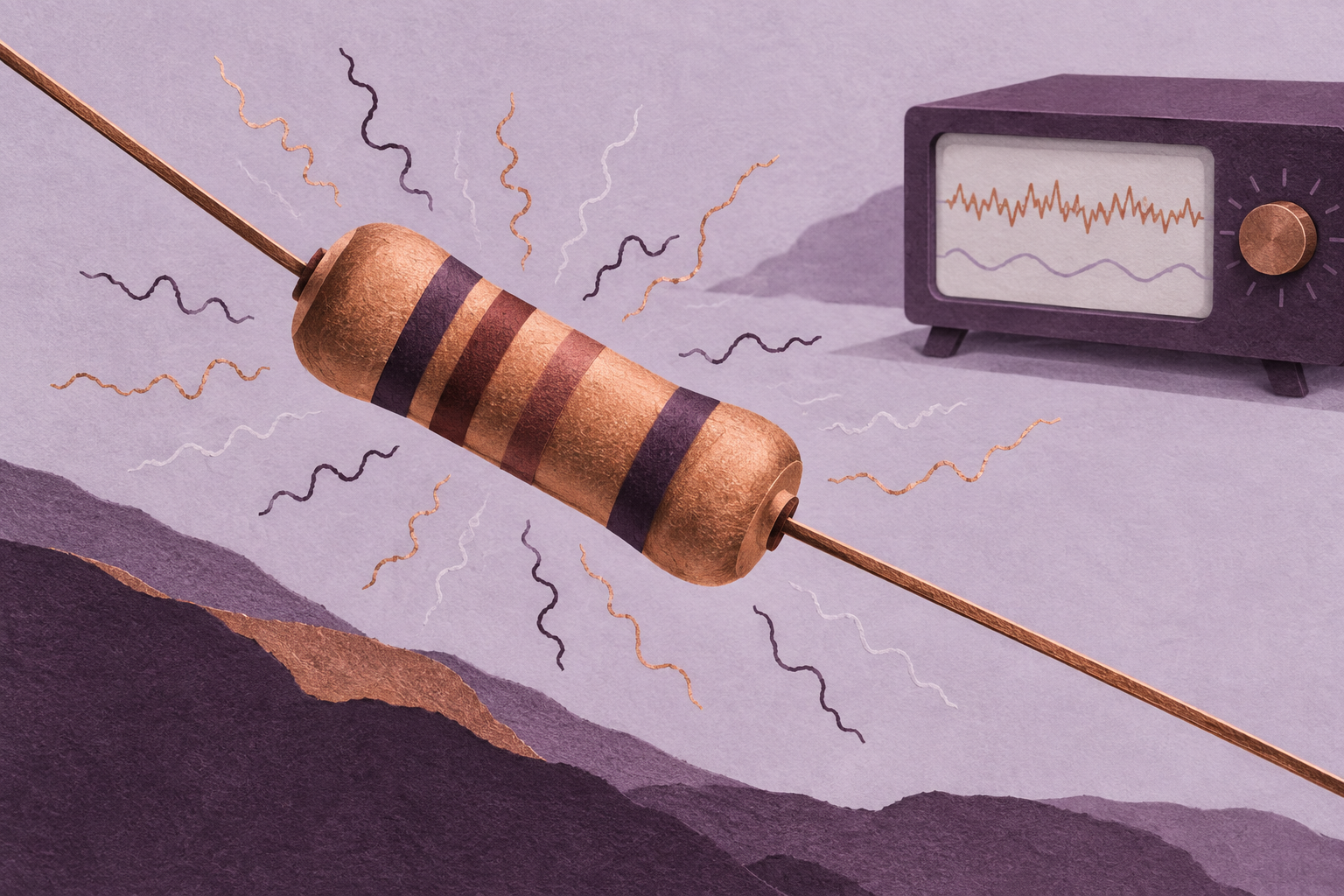 AI illustrationPublished 2026-09-27 · Temperature & measurement · 2 MIN READ · EXPLAINER
Electrical noise can tell you how hot something is
Johnson noise thermometry turns random voltage fluctuations into a temperature measurement. A quantum reference supplies a signal to compare with the noise.
Read the story →- Clean: limit material carried from Earth
- Record: track possible contamination
- Model: assess release, survival and growth
A Mars robot has to control what it brings along
Biological cleanliness protects both another world and the interpretation of samples. Cleaning hardware and documenting contamination answer different questions.
Read the story →- New input enters shared state
- Reasoning and writing can overlap
- Writing can pause for more reasoning
Can an AI start answering while it is still working?
A research method gives one language model separate views for reasoning and writing. Reusing its temporary computation changes when it can respond, without retraining it.
Read the story →- A familiar-looking verification appears
- It asks you to run a device command
- Stop before pasting or executing
A CAPTCHA should not ask you to run a command
Fake verification prompts try to turn a routine web check into code execution on your computer. The requested action is a stronger warning sign than a familiar logo.
Read the story →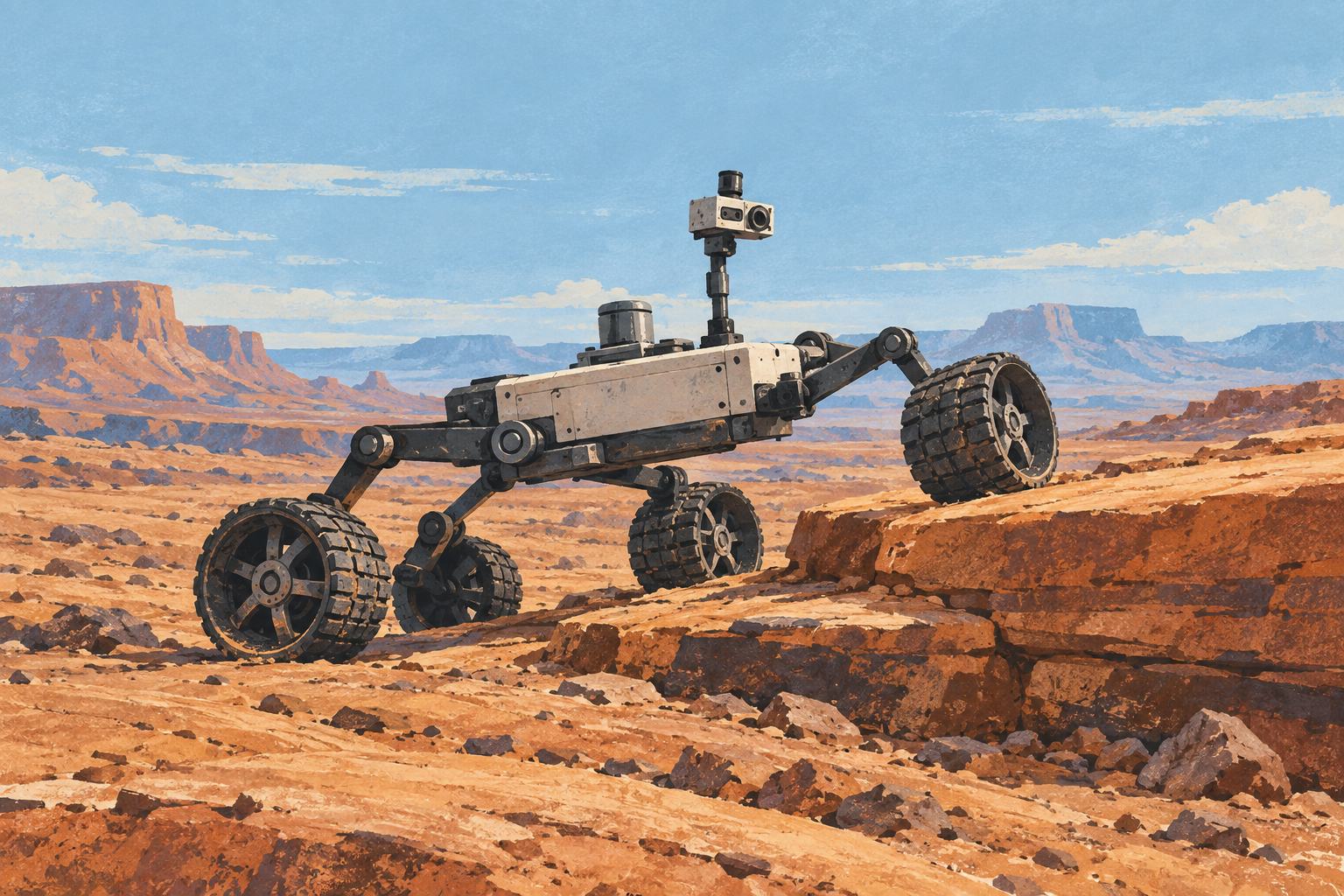 AI illustrationPublished 2026-09-26 · Robot movement & terrain · 2 MIN READ · EXPLAINER
A rover can change its stance before it changes its route
JPL’s ERNEST prototype uses powered suspension joints to tackle obstacles. Earth tests show why choosing a gait and choosing a route are different problems.
Read the story →- Quantum measurements supply uncertainty
- Processing leaves a traceable record
- Published bits support an auditable choice
A random number can be public—and still be useful
A quantum randomness beacon combines unpredictable measurements with a traceable record. Its public output can help audit a selection, but it is not a secret key.
Read the story →- Send observations: bandwidth matters
- Run the model: compute matters
- Return the answer: delay matters
A faster AI server still has to answer the robot in time
Moving inference off a robot can free onboard resources. A Microsoft study shows why network delay and image traffic belong in the same calculation.
Read the story →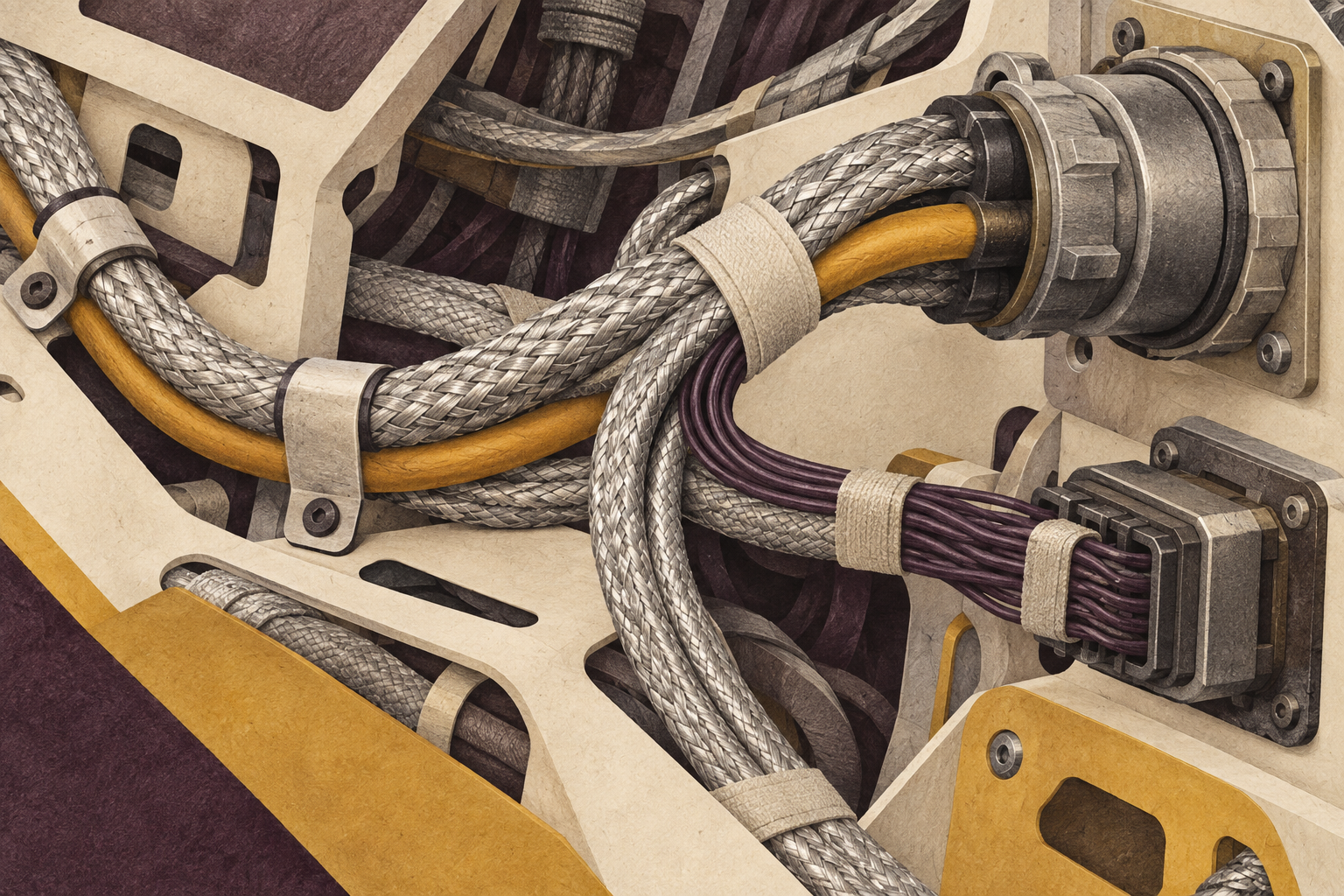 AI illustrationPublished 2026-09-25 · Space robots & engineering · 2 MIN READ · EXPLAINER
Before a robot flies on Titan, its wiring has to fit
Dragonfly’s electrical harness must carry power and data through a crowded, insulated spacecraft. Connecting the parts is a milestone of its own.
Read the story →- Microwave frequency drives junctions
- Junction array supplies a voltage reference
- Compare the meter with that reference
How can a microwave signal become a voltage reference?
Josephson junctions connect electrical voltage to frequency and fundamental constants. The practical job is checking measuring instruments.
Read the story →Published 2026-09-25 · Everyday security & browser permissions · 2 MIN READ · EXPLAINERThe browser is closed. Why is that website still sending alerts?
Website notification permission can outlast a browser window. Recognizing the sender helps you block unwanted alerts in the right place.
Read the story →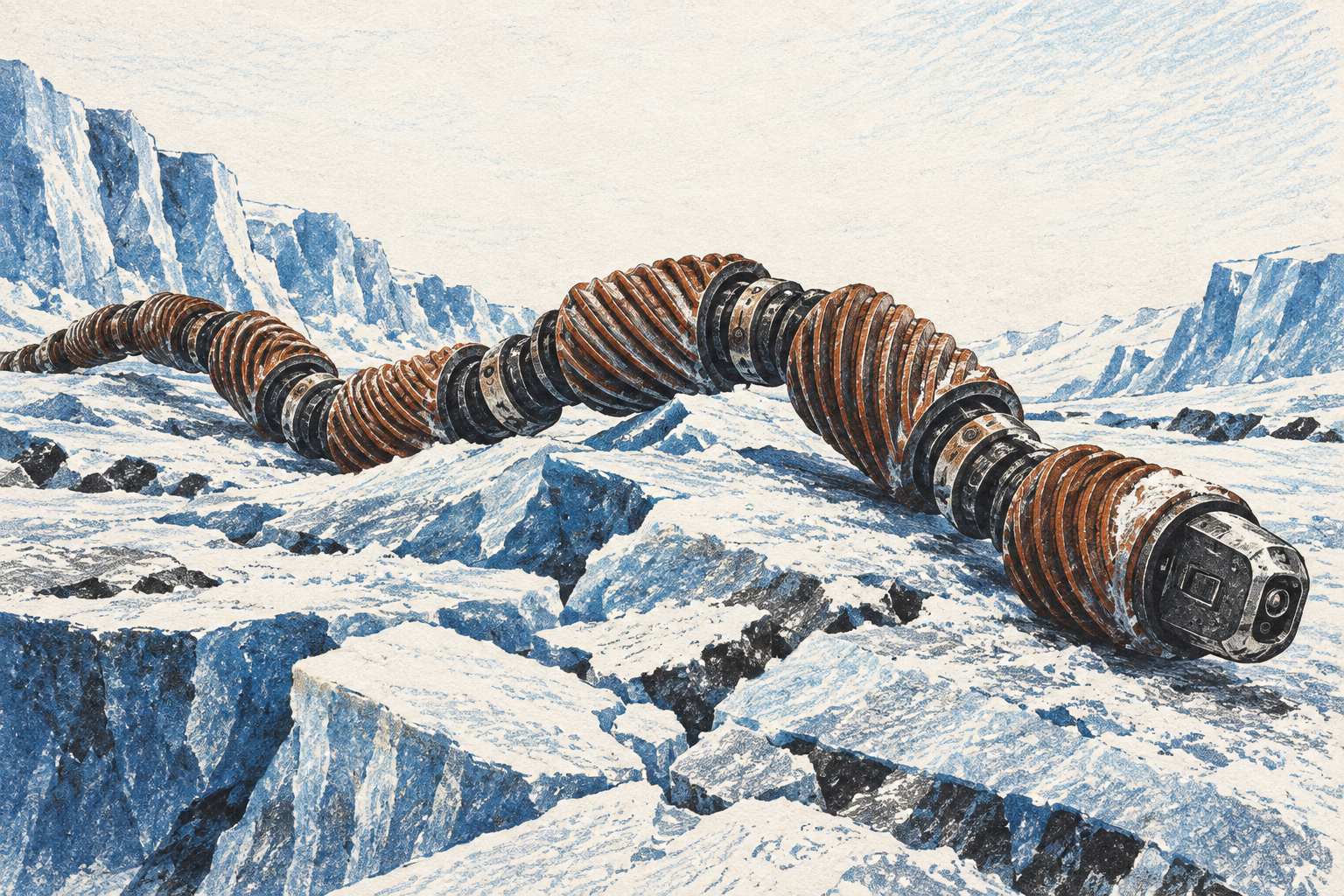 AI-generated concept illustrationPublished 2026-09-24 · Movement & rough terrain · 2 MIN READ · EXPLAINER
Why a snake robot needs more than spinning screws
JPL’s glacier tests show how a screw-driven robot can move across ice—and why the shape of the ice changes what works.
Read the story →- Aluminium / ytterbium
- Aluminium / strontium
- Ytterbium / strontium
How do you check an extraordinarily precise clock?
Compare it with clocks built from different atoms, then repeat the comparison. A small uncertainty does not make disagreements disappear.
Read the story →- Pop-up supplies a phone number
- Caller asks for computer control
- Pause: contact trusted support separately
A warning tells you to call tech support. Should you?
An alarming message and a familiar logo do not verify the caller. FTC guidance explains how a fake warning can lead to remote access.
Read the story →- Purpose: what must work here?
- Evidence: what would show it?
- Decision: what do results support?
Before scoring an AI, decide what success means
A draft NIST framework starts with the purpose of an evaluation. The score comes after the question, the evidence and the test design.
Read the story →- Formula: chemical balance?
- Structure: stability tests?
- Material: made and measured?
Can chemistry rules improve an AI crystal design?
A materials model can check a chemical constraint before arranging the atoms. That narrows the search without proving a candidate can be manufactured.
Read the story →- Meter: a physical location
- Link: a destination to verify
- Payment: information you submit
Does a QR code on a parking meter prove where you are paying?
A familiar location can lend credibility to an unfamiliar link. Check the destination before entering payment or account details.
Read the story →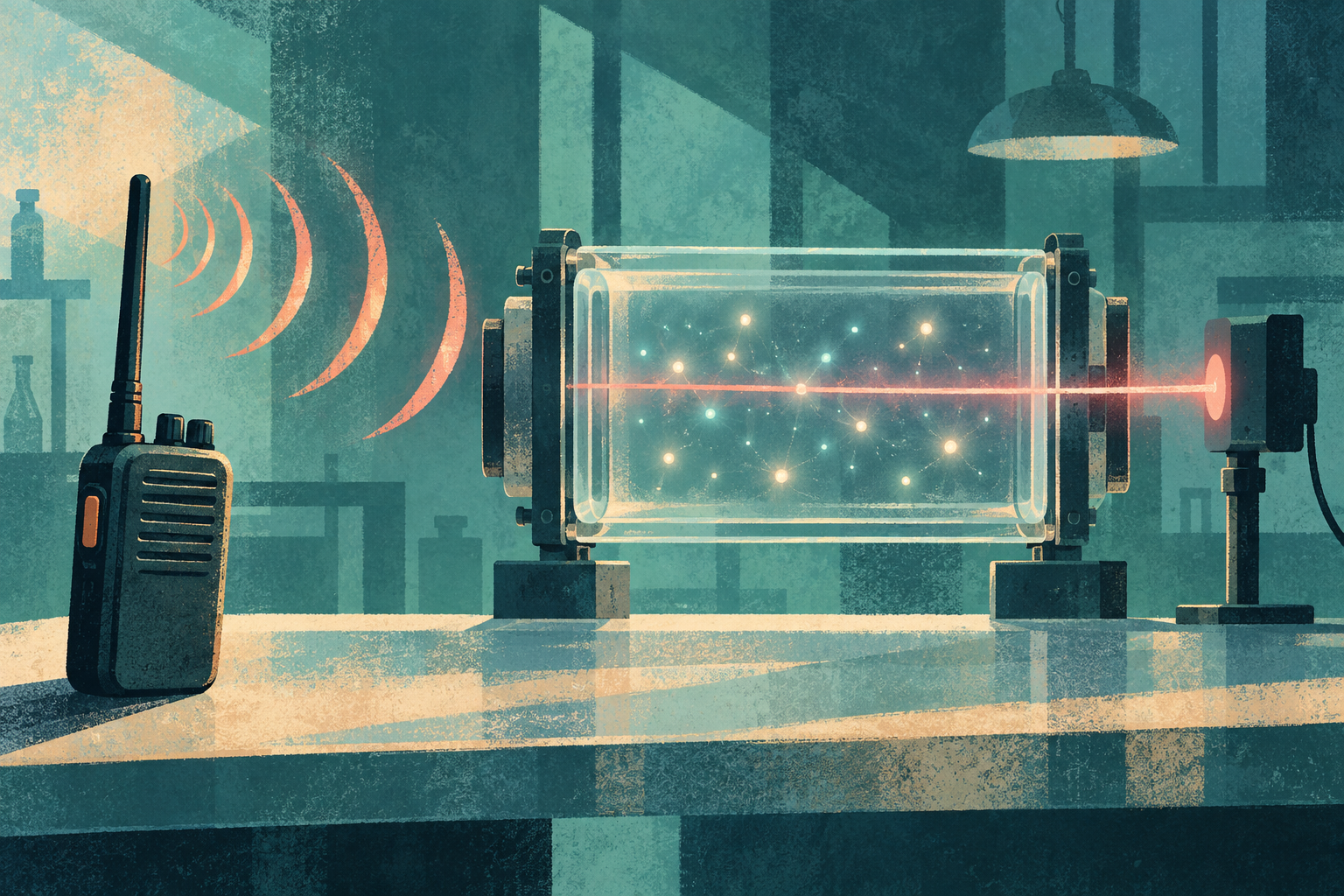 AI-generated concept illustrationPublished 2026-09-23 · Signals & unusual sensors · 2 MIN READ · EXPLAINER
How can atoms listen to a walkie-talkie?
An atomic receiver turns a radio signal into a change in laser light. The laboratory demonstration still needs optical equipment and conventional electronics.
Read the story →- Normal plan: reduce data rate
- Fault: that command is missed
- Recovery: check state before rejoining
After a spacecraft reboot, which plan should resume?
Restarting the computer is only part of recovery. A 2018 prototype study shows why the recovery plan must agree with the commands that follow.
Read the story →- Positions: maintain rover spacing
- Timing: follow coordinated corridors
- Disruption: stop and replan together
Why would three Moon rovers need to keep their distance?
For a planned radar experiment, the spacing between moving robots is part of the instrument.
Read the story →- First release: epsilon 0.4
- Second release: epsilon 0.4
- Combined bound: epsilon 0.8
Why does a private analysis need a budget?
Repeated releases about the same people must be considered together. A privacy parameter describes a bound, not a promise that nothing can be learned.
Read the story → AI-generated conceptual illustrationPublished 2026-09-22 · Quantum physics & astronomy · 2 MIN READ · EXPLAINER
How can squeezing light help us hear distant collisions?
LIGO reshapes quantum uncertainty to improve its measurements. The trick changes which fluctuations matter, rather than making them all disappear.
Read the story →- Purpose: the work to complete
- Scope: the resources it needs
- End: when access is removed
A vendor needs access. How much—and for how long?
A useful connection has a job, a boundary and an ending. Knowing who signed in does not settle what they should be allowed to do.
Read the story →- Within one model: does it vary?
- Across models: do meanings differ?
- Then inspect the source evidence
An AI repeats its answer. Would another model agree?
Consistency within one model and disagreement between models reveal different kinds of uncertainty.
Read the story →- Upper region: faster relative rate
- Lower region: slower relative rate
- Measure the frequency difference
Can a millimeter of height change a clock’s rate?
A 2022 experiment compared different parts of one atom cloud to detect gravity’s tiny effect on time.
Read the story →- Display name: who it appears to be
- Domain: whose use was validated
- Request: whether it is legitimate
An email passes authentication. Is its message trustworthy?
Domain checks can validate a sender’s domain without verifying the person, the request or the story.
Read the story → AI-generated conceptPublished 2026-09-21 · Nature-inspired movement · 2 MIN READ · EXPLAINER
How can the same wings swim and fly?
A bird-inspired robot must adapt to two very different surroundings—and negotiate the surface between them.
Read the story →- Saved: a copy was made
- Protected: destruction is restricted
- Tested: a restore actually worked
Your files are backed up. Can you actually get them back?
A saved copy, a protected copy and a tested recovery answer three different questions.
Read the story →- Scene → inferred concepts
- Concepts → trajectory score
- Same concepts → explanation
A car stopped. Did its AI understand why it should?
A driving explanation can reveal a mistaken assumption. The useful test is whether it helps people anticipate what the system will do next.
Read the story →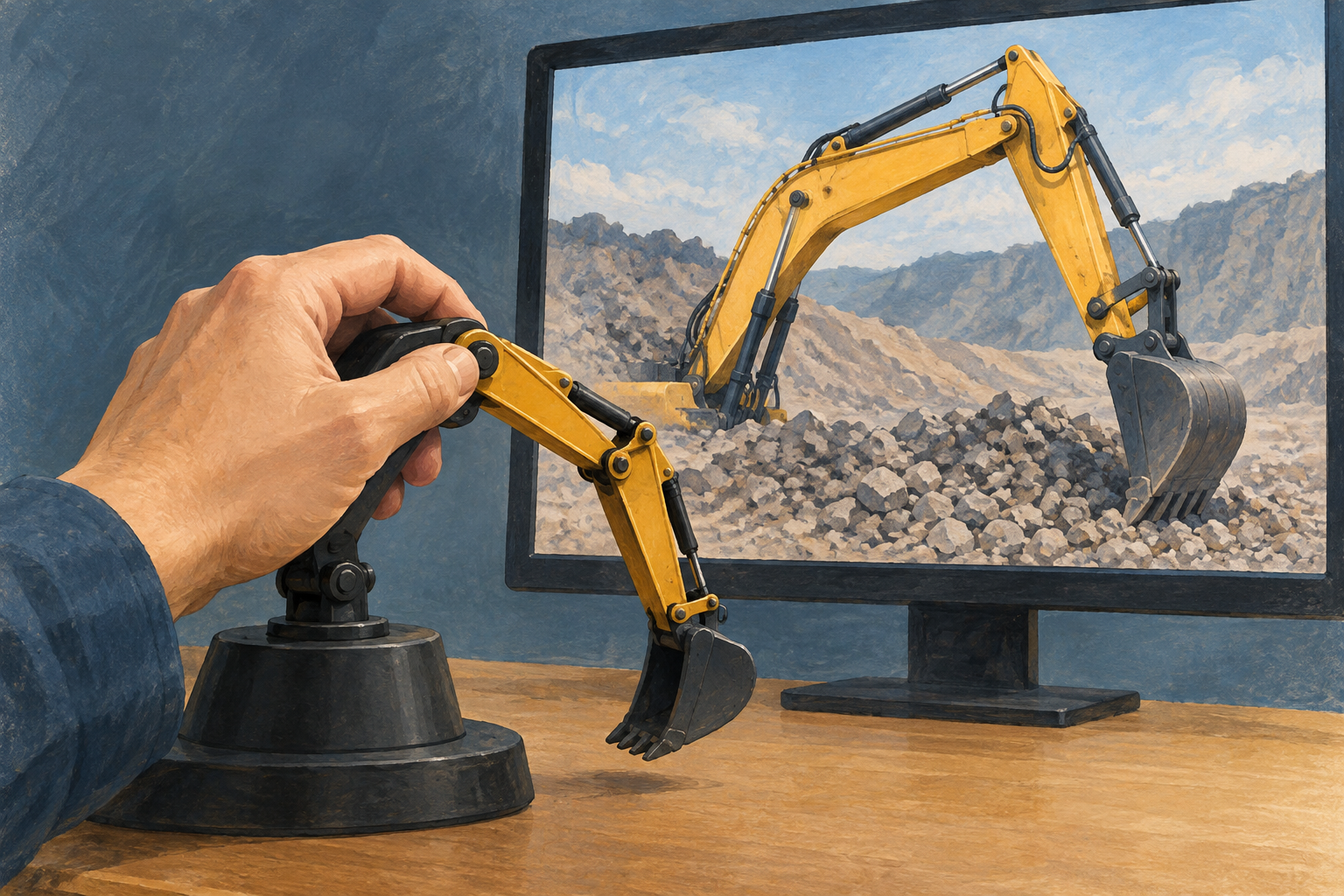 AI-generated conceptPublished 2026-09-20 · Human control & construction · 2 MIN READ · EXPLAINER
Could a small arm make a big excavator easier to control?
A controller shaped like an excavator arm changes what the operator must translate. Simulator results leave a field test still to do.
Read the story →- Atom enters interaction region
- Photon operation must finish
- Atom leaves: opportunity ends
Can a warm atom do quantum work before it passes by?
A proposed device trades trapped atoms for brief encounters with light. Its central challenge is completing an operation within that encounter.
Read the story →- Ideal sensitivity: a starting point
- Noise protection: a design choice
- Useful advantage: survives the test
Can a quantum sensor give up sensitivity to keep an advantage?
A 2025 theoretical result explores a useful compromise: protect a quantum probe against certain noise while retaining an advantage.
Read the story →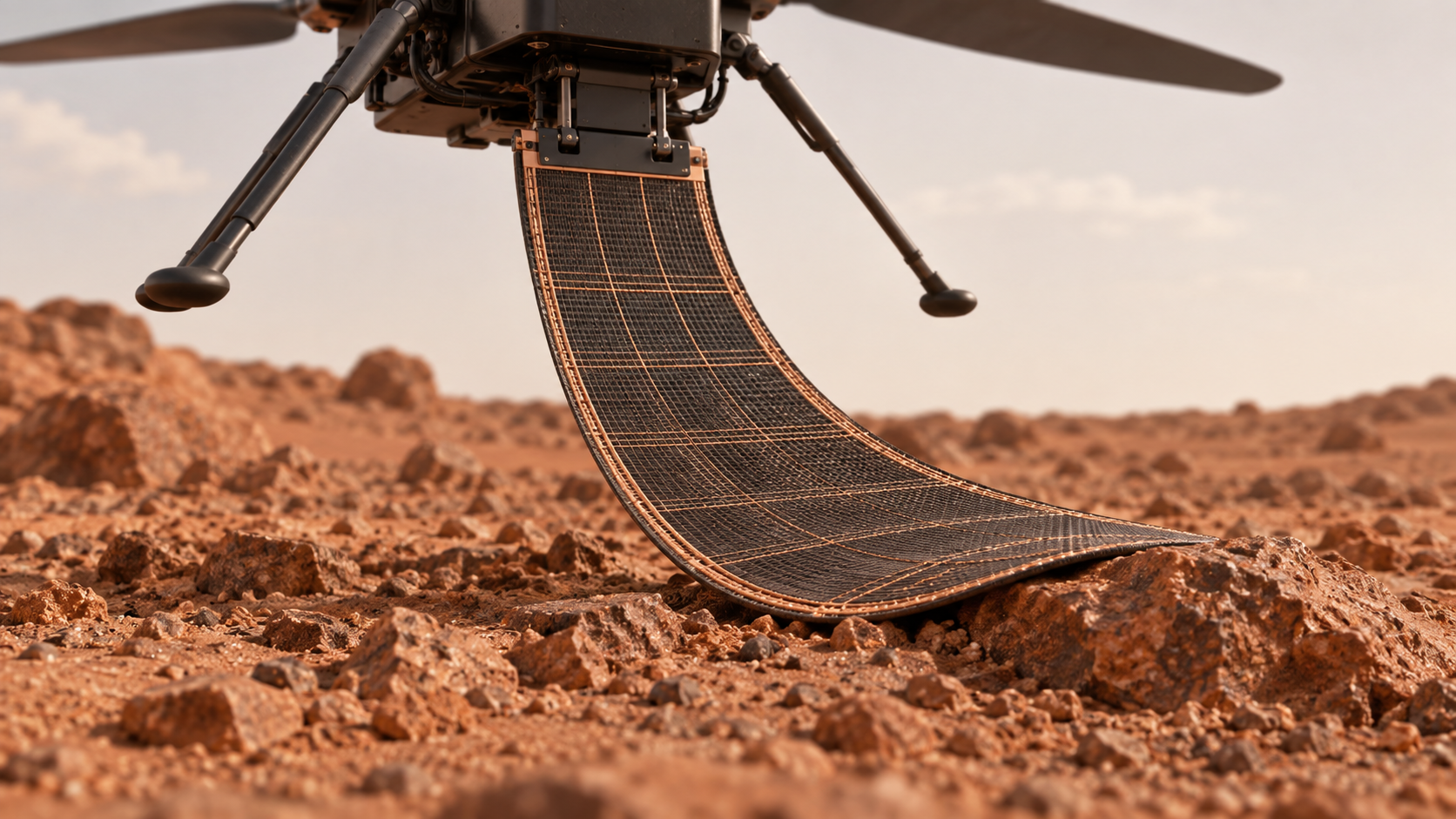 AI illustrationPublished 2026-09-19 · Space exploration & resilient hardware · 2 MIN READ · EXPLAINER
Why a Mars helicopter antenna needs to bend
A fabric radar antenna must reach below the aircraft, survive contact with the ground and return to shape for the next flight.
Read the story →- Utility: retain useful patterns
- Privacy: test exposed information
- Scope: name the data and tests
If the records are synthetic, why test their privacy?
Useful patterns and private information are different things to check. Synthetic data needs evidence about both.
Read the story →- Supported: future fixes still possible
- Unsupported: final fixes may be past
- Check: exact model and lifecycle date
No updates available—or no updates coming?
An empty update queue does not tell you whether a device still has security support. Its support lifecycle answers a different question.
Read the story →- Reference light checks the change
- Controller corrects polarization
- Quantum measurement resumes
Why a quantum link needs to keep checking the cable
Outdoor fiber changes as its surroundings change. Reference light helps a research link correct its polarization between quantum measurements.
Read the story →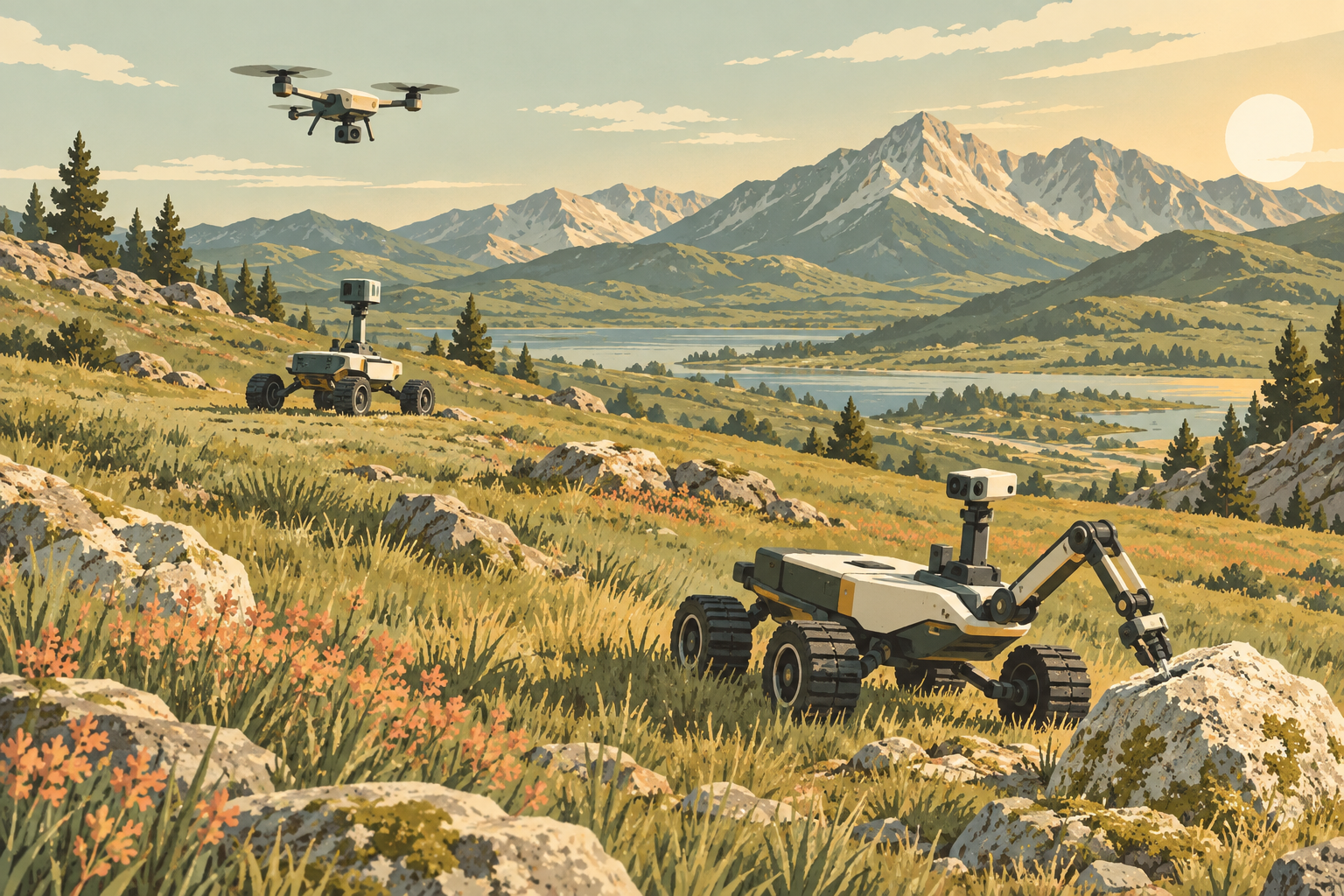 AI-generated concept · not NASA’s test site or robotsPublished 2026-09-18 · AI & exploration · 2 MIN READ · EXPLAINER
Who decides what a robot science team should investigate next?
NASA’s Earth field test explores how AI can weigh a new observation against the mission’s original goals and acceptable risk.
Read the story →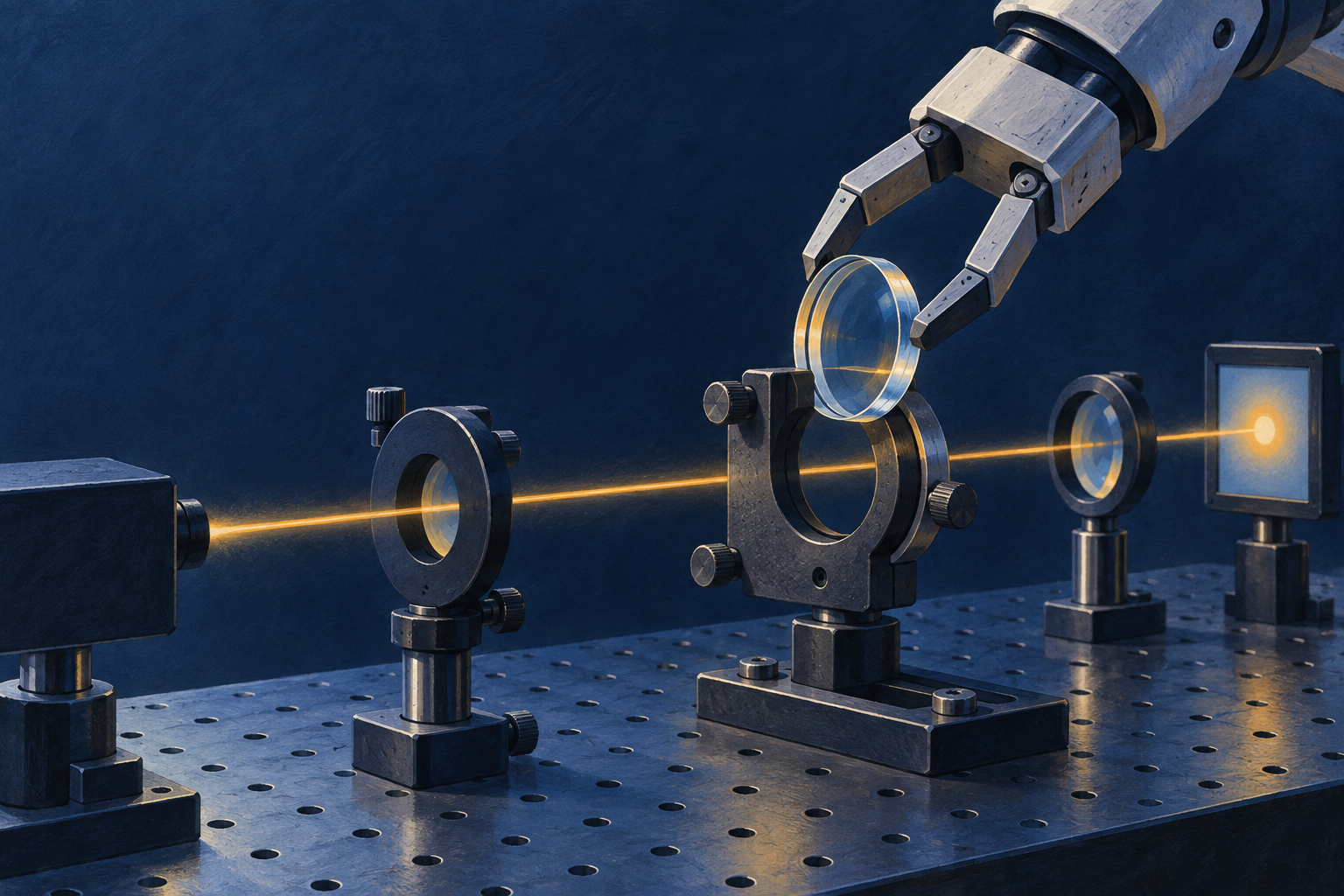 AI-generated concept · not the research apparatusPublished 2026-09-18 · Robotics & experiments · 2 MIN READ · EXPLAINER
A robot placed the lens. How does it know the light is right?
A robotic optics lab measures the beam and adjusts the hardware, turning placement into a repeatable feedback loop.
Read the story →- Download and install
- Restart if requested
- Recheck update status
An update downloaded. Is your PC finished updating?
Downloading, installing and completing a requested restart are different steps. Windows Update shows which one still needs attention.
Read the story →- Match the claim
- Preserve the context
- Limit the conclusion
An AI answer has citations. Do they support what it says?
Three separate questions help you check a sourced answer: does it match the evidence, preserve its context and stay within its limits?
Read the story →- Prepare and mix light
- Count three outputs
- Identify the remaining state
Why making a quantum state of light is a milestone of its own
A chip-based source creates a useful kind of quantum building block. Turning those blocks into a fault-tolerant computer takes more work.
Read the story →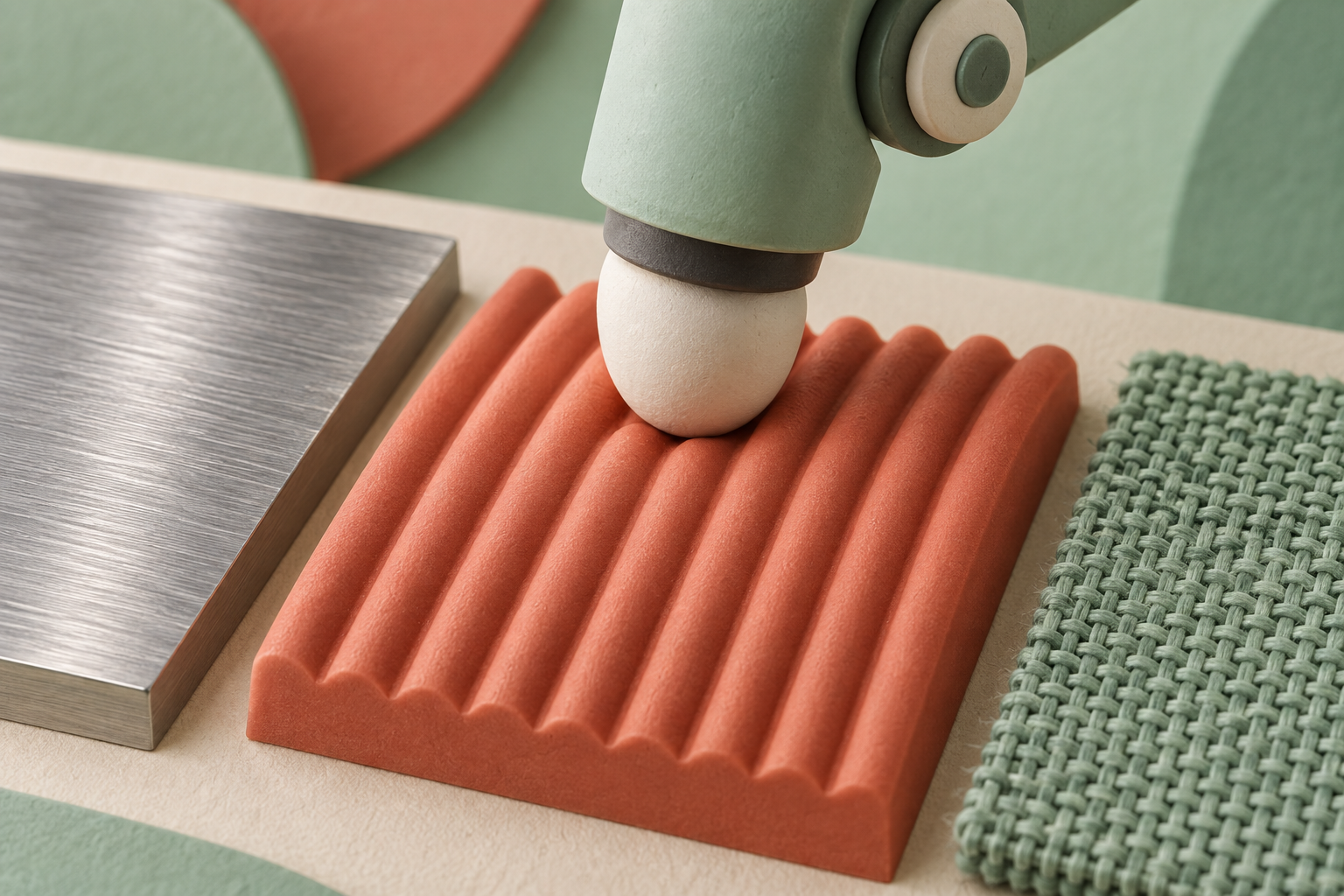 AI-generated concept illustrationPublished 2026-09-17 · Robotics & learning through touch · 2 MIN READ · EXPLAINER
How do you test whether a robot can feel something new?
A touch test can look impressive when it repeats a familiar press. A research dataset separates that from meeting an unfamiliar material.
Read the story →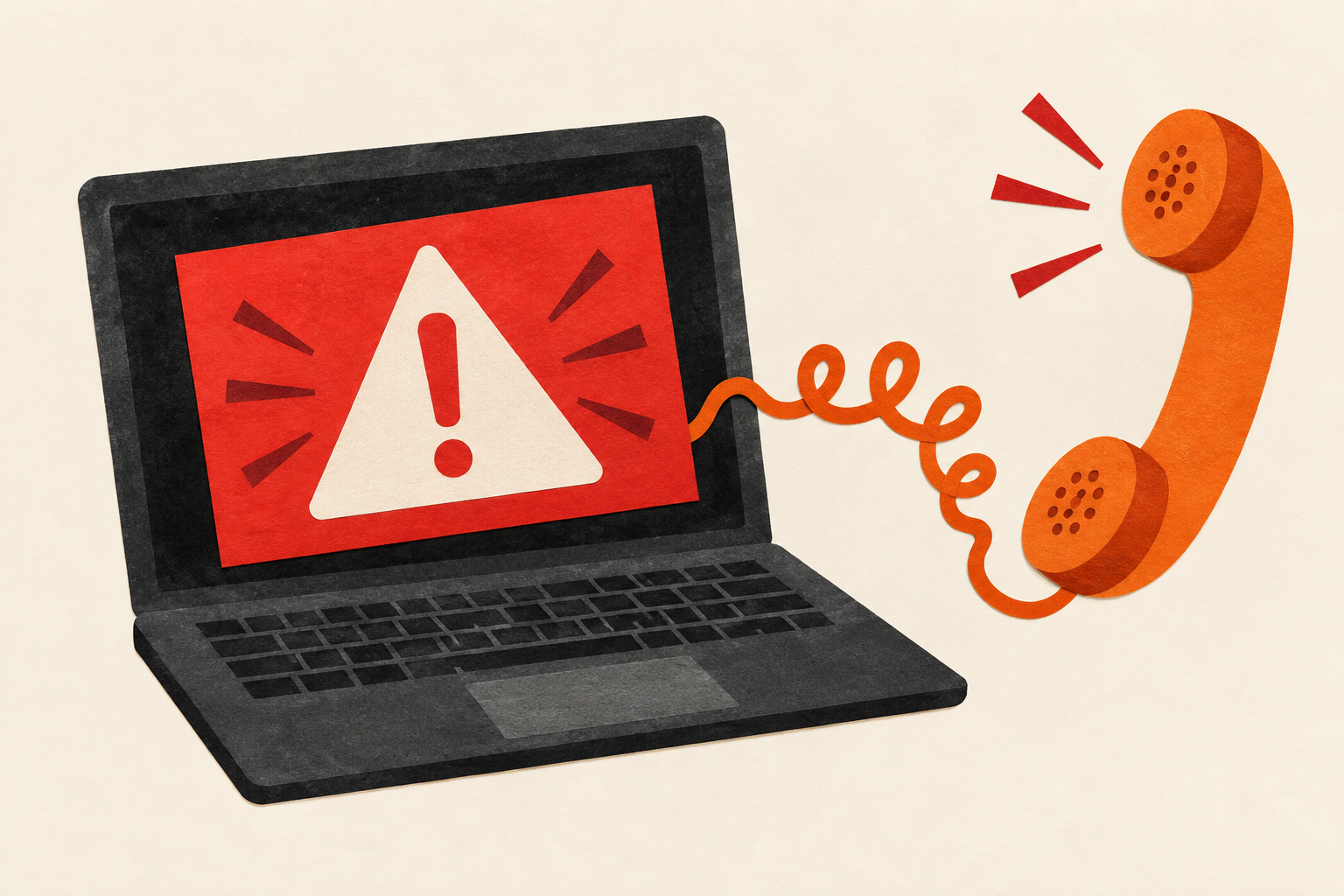 AI-generated concept illustrationPublished 2026-09-17 · Cybersecurity & finding trustworthy help · 2 MIN READ · EXPLAINER
Why a computer warning that says “call us” deserves a pause
A fake alert can steer you from a browser page to a persuasive voice. Find help through a route you chose independently.
Read the story →- Explore candidate samples
- Steer toward stated requirements
- Use the constrained final sample
Can AI explore freely and still meet a strict requirement?
HardFlow steers generated solutions toward a constrained final result. That is a narrower claim than making an entire application safe.
Read the story →- Which model and firmware?
- What access does the attack need?
- Is a verified remedy listed?
Does that security alert apply to your camera?
The product name is only the start. Model, firmware and the access an attacker needs can change what an advisory means.
Read the story →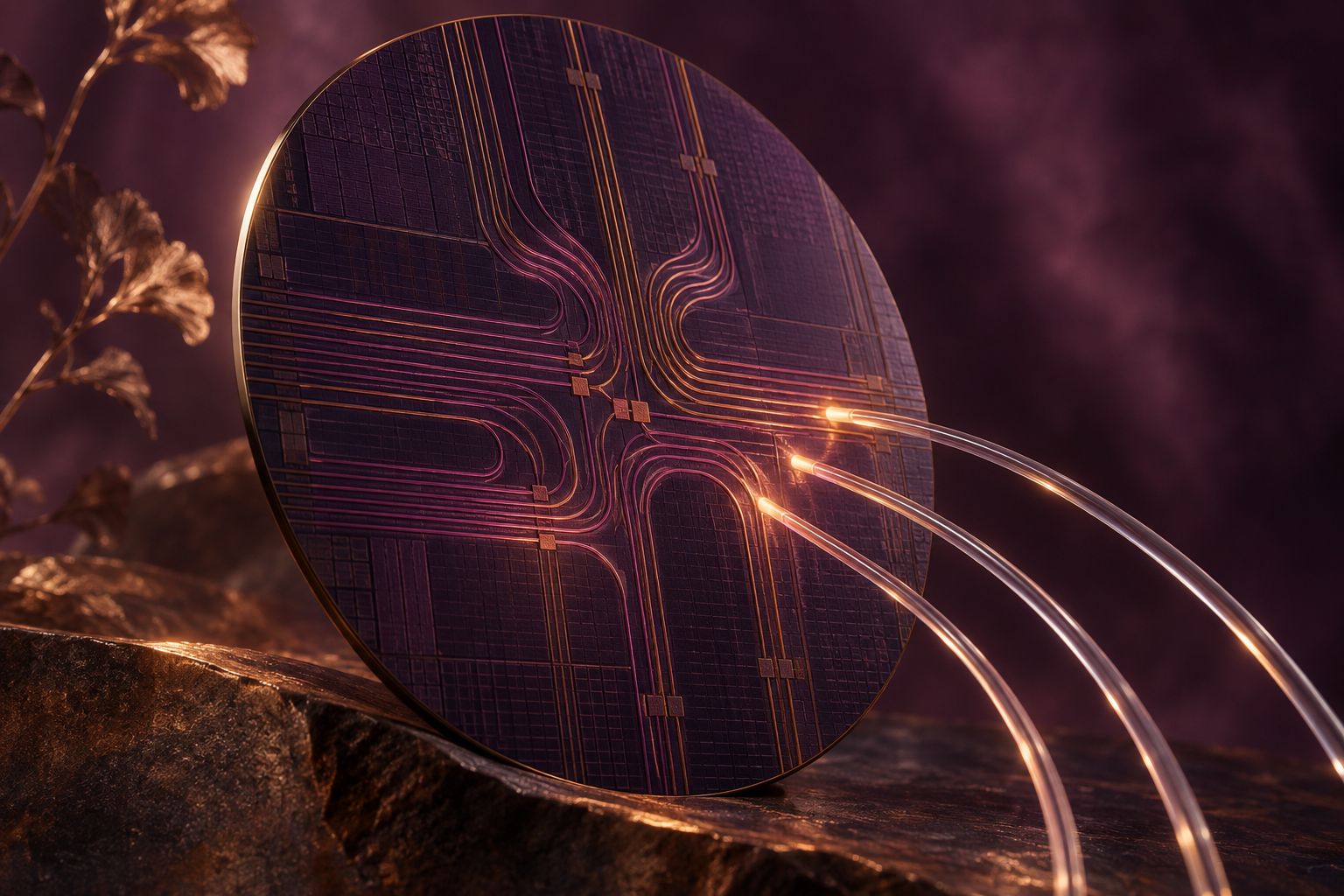 AI-generated concept illustrationPublished 2026-09-16 · Quantum & the engineering of light · 2 MIN READ · EXPLAINER
What does it take to build a quantum computer with light?
Photon sources, detectors and manufacturing all matter. A new research award supports that engineering; it does not certify a finished computer.
Read the story →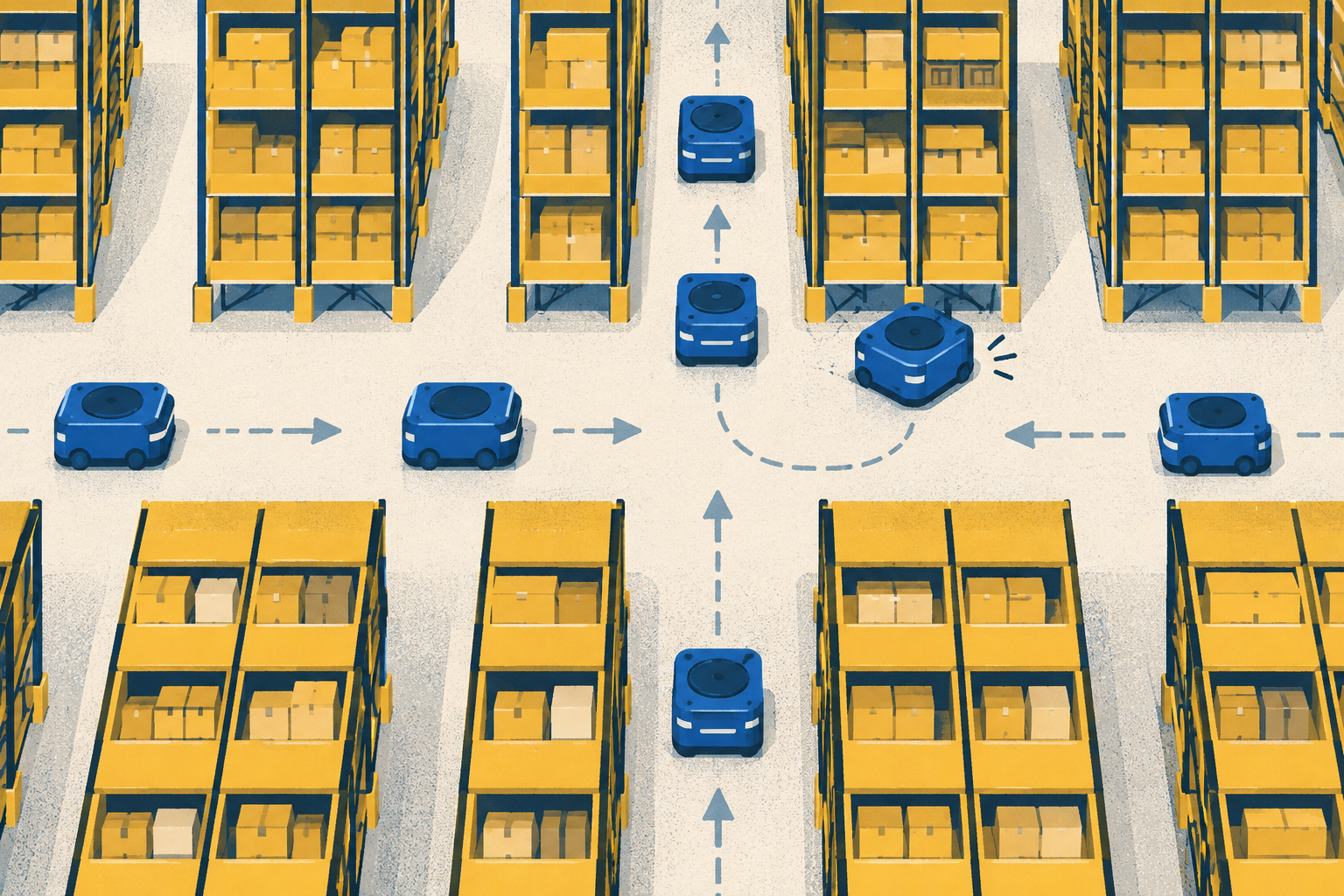 AI-generated concept illustrationPublished 2026-09-16 · Robotics & moving everyday goods · 2 MIN READ · EXPLAINER
Why a robot might step back to keep a warehouse moving
A research system learns which robots should go first. Its gains come from simulated traffic coordination, not faster motors.
Read the story →- Tune a repeating signal
- Check the atoms’ response
- Count the matched cycles
What actually ticks inside an atomic clock?
Atoms provide a frequency reference. The clock counts cycles of the radiation tuned to it.
Read the story →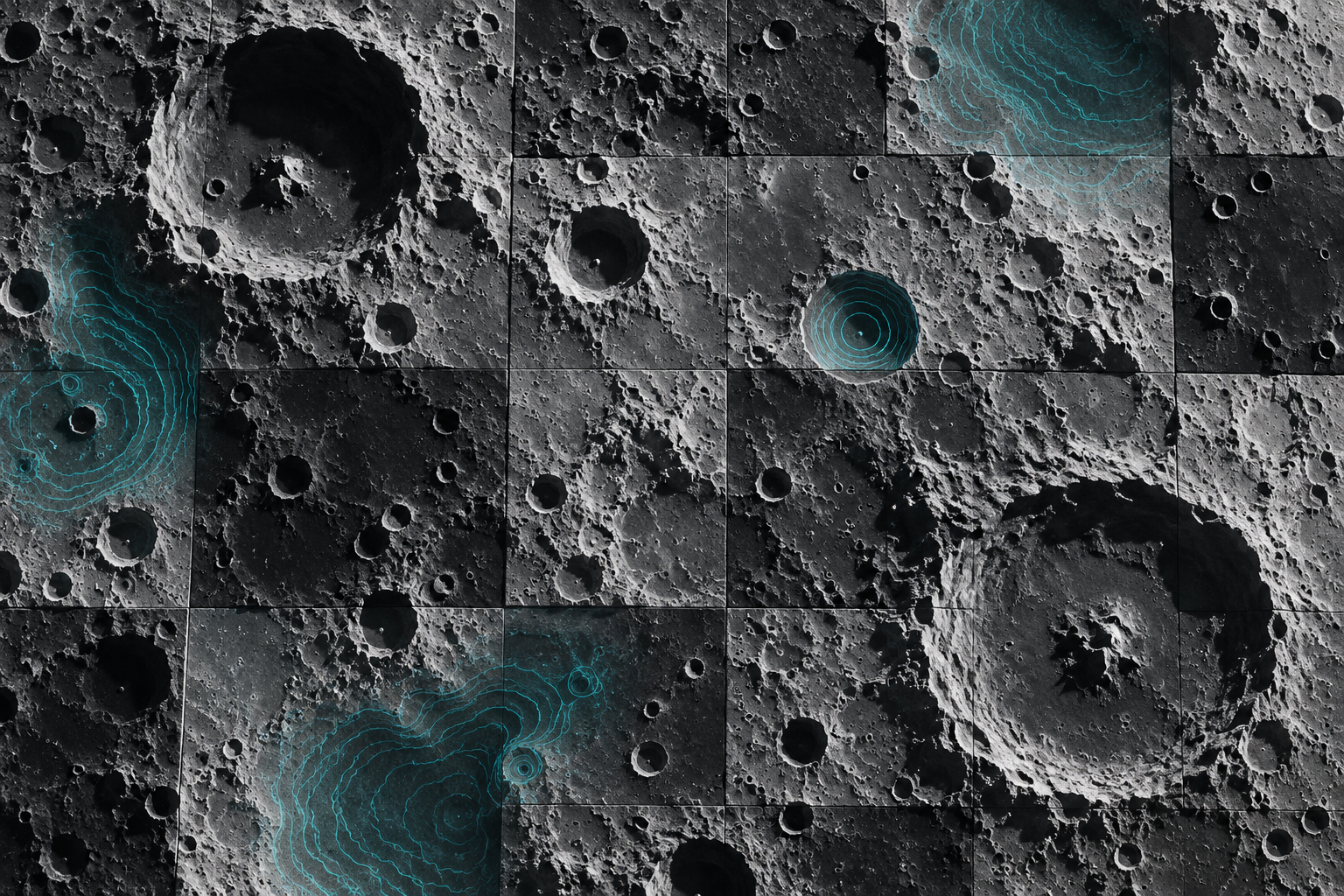 AI illustrationPublished 2026-09-15 · AI & exploring the Moon · 2 MIN READ · EXPLAINER
What can AI learn from a map of the Moon?
A reusable lunar model can help map craters and terrain. Its ice predictions still need careful interpretation.
Read the story → AI illustrationPublished 2026-09-15 · Security & unexpected offers · 2 MIN READ · EXPLAINER
Why can an offer to recover your money be another scam?
An unexpected rescue offer can use details of an earlier loss to make a new payment demand sound credible.
Read the story → AI illustrationPublished 2026-09-15 · Robotics & changing conditions · 2 MIN READ · EXPLAINER
How does a soft robot adjust when its world changes?
One research controller combines skills learned beforehand with adjustments made while a flexible arm moves.
Read the story → AI illustrationPublished 2026-09-14 · AI & informed choices · 2 MIN READ · EXPLAINER
What should an AI tell you about itself?
A useful model description connects its intended job with the evidence—and the limits.
Read the story → AI illustrationPublished 2026-09-14 · Privacy & everyday accounts · 2 MIN READ · EXPLAINER
One reused password can connect separate accounts
A breach at one service can become a login attempt somewhere else. Unique passwords break that particular connection.
Read the story →- Physical: components and operations
- Logical: information encoded across them
- Check: how long is it protected?
Why counting qubits is only the start
A quantum computer may use many physical components to protect one logical unit of information.
Read the story →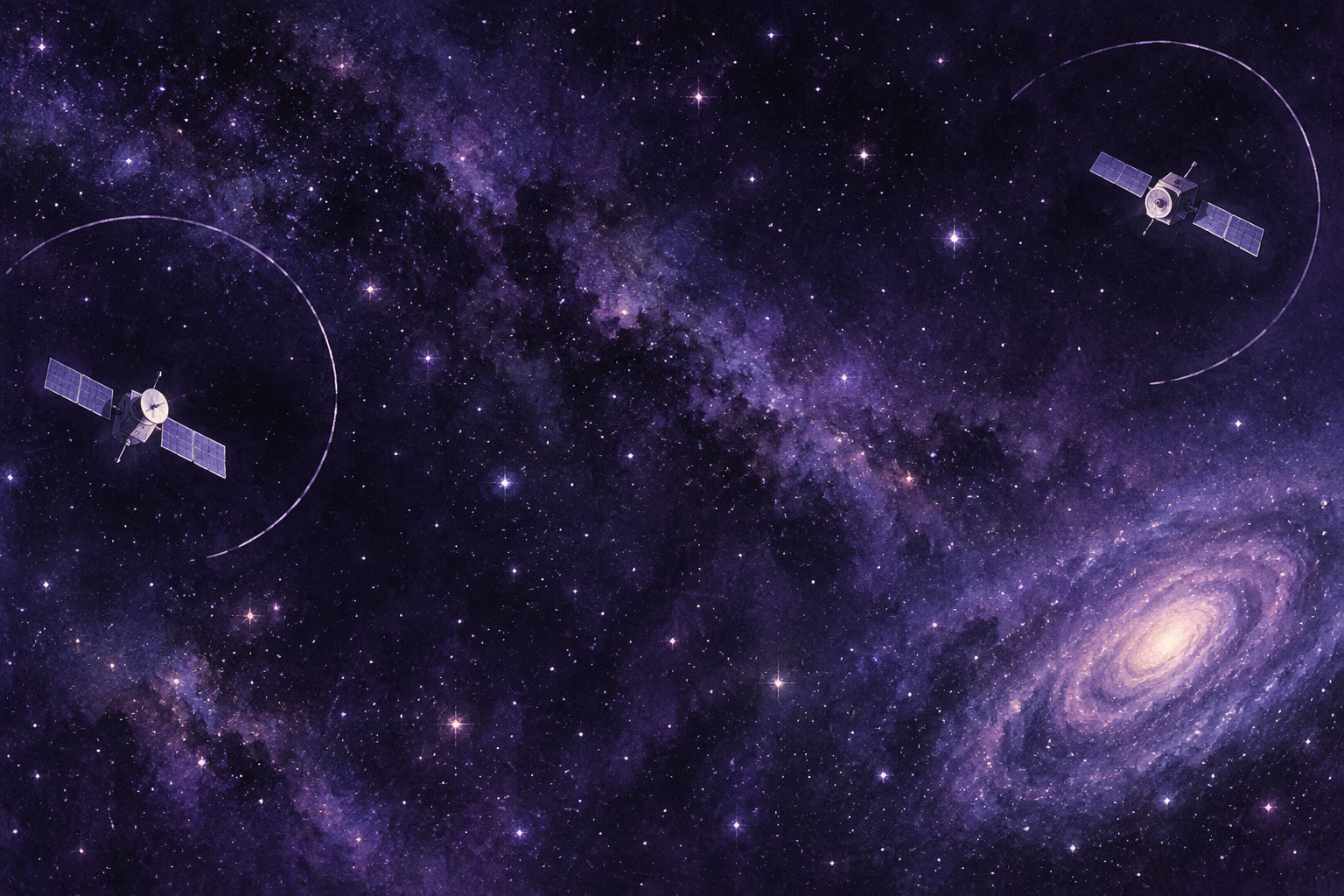 AI illustrationPublished 2026-09-14 · Robotics & lessons from space · 2 MIN READ · EXPLAINER
What can a robot mission learn when it stops short?
LINK did not boost NASA’s Swift observatory. Its remaining tests answer smaller, still-useful questions.
Read the story → AI illustrationPublished 2026-09-13 · Weather & everyday plans · 2 MIN READ · EXPLAINER
Why AI forecasts more than one tomorrow
A range of possible skies can tell you something a single prediction cannot.
Read the story →- Decode: protect stored information
- Learn: adjust physical controls
Can a quantum computer stay in tune?
Researchers used error signals to adjust a processor while it worked—a step toward handling drift.
Read the story →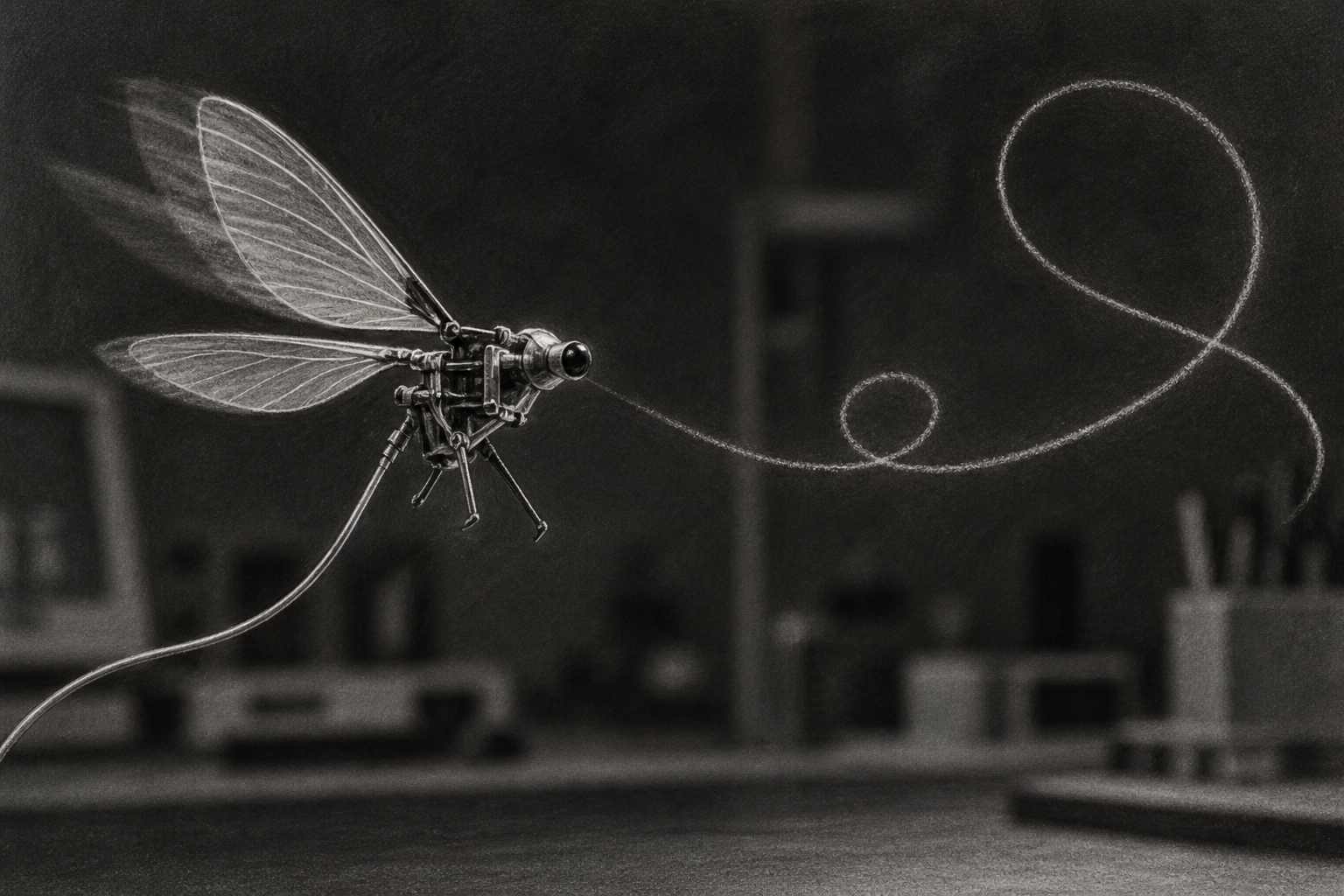 AI illustrationPublished 2026-09-13 · Robots & the physical world · 2 MIN READ · EXPLAINER
A tiny robot learns the art of the turn
The wingbeat is only part of the story. A fast controller makes an insect-scale robot agile.
Read the story → AI illustrationPublished 2026-09-13 · Privacy & everyday life · 2 MIN READ · EXPLAINER
A surprise package. A code worth questioning.
The invitation to find out who sent a gift can lead somewhere else entirely.
Read the story →- Measured: researcher preference
- Still open: eventual discovery
Can AI recognize a research idea worth pursuing?
A benchmark tests agreement with researchers—and reveals why the question is tricky.
Read the story → AI illustrationPublished 2026-09-12 · Quantum beyond computers · 2 MIN READ · EXPLAINER
Quantum technology can be a better thermometer.
An unusually cold detector makes tiny energy differences easier to see.
Read the story →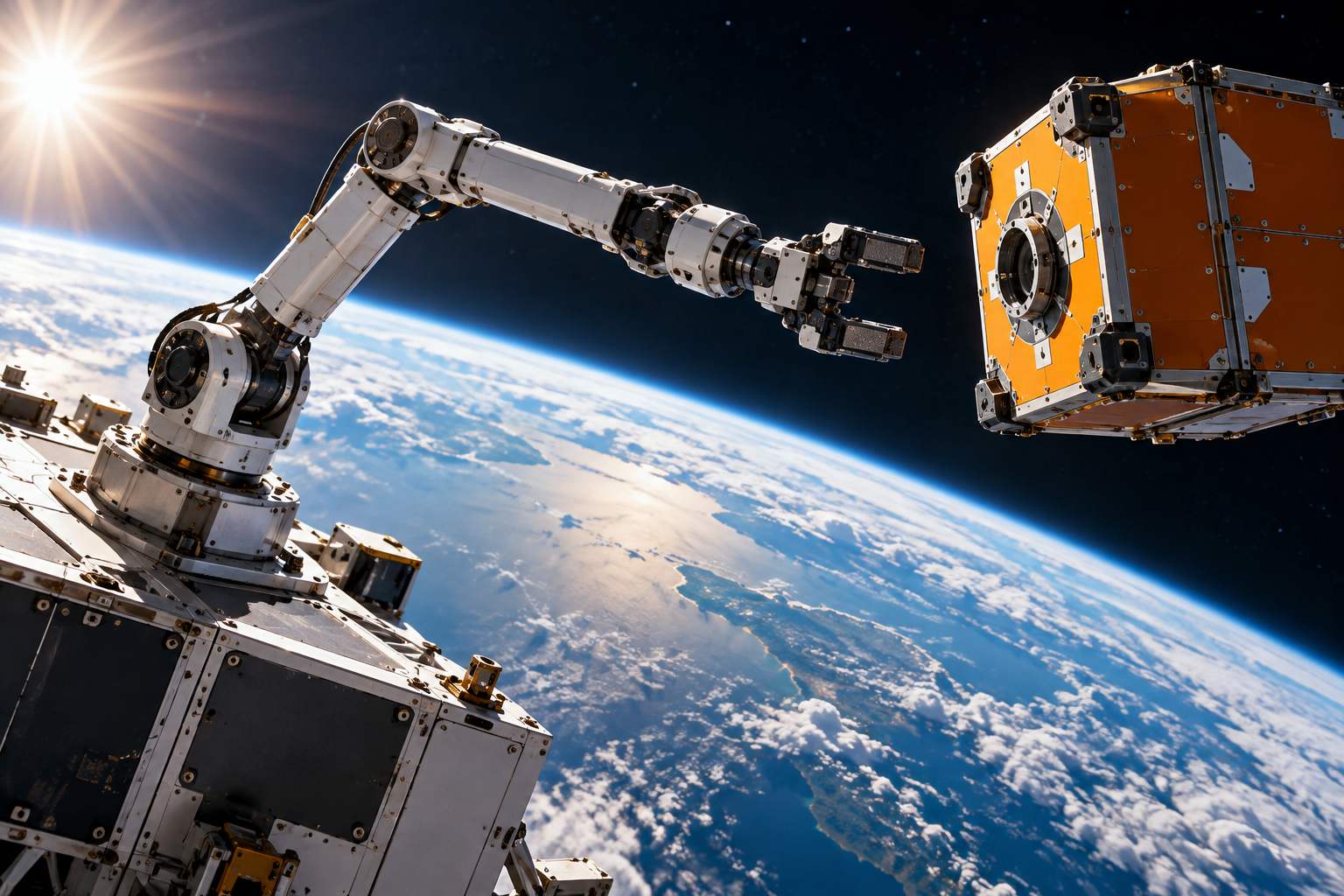 AI illustrationPublished 2026-09-12 · Space & useful machines · 2 MIN READ · EXPLAINER
Before robots repair satellites, they need a test in space.
A planned orbital demonstration turns a movable box into a proving ground.
Read the story →- Password: type a reusable secret
- Passkey: use a site-bound credential
Why a passkey is different from a stronger password
A harder-to-guess password and a phishing-resistant login solve different problems.
Read the story →- Draft a message
- Check a record
- Resolve an exception
Will AI change your job—or just parts of it?
A job is a bundle of tasks. That makes the future of work more complicated than a yes-or-no prediction.
Read the story → AI illustrationPublished 2026-09-11 · Everyday life · 2 MIN READ · EXPLAINER
It sounds certain. Is it right?
Why a convincing answer and a trustworthy answer are different things.
Read the story →- Find the device
- Read its intended use
- Examine public information
Where is AI showing up in health care?
It can be part of a medical device, not just a chatbot. FDA records offer a window into that less visible world.
Read the story → AI illustrationPublished 2026-09-11 · Life & discovery · 2 MIN READ · EXPLAINER
How AI helped map a cell’s gateway
A tiny gateway moves cargo between a cell’s nucleus and its surroundings. Scientists combined microscope evidence and AI to map part of its machinery.
Read the story →- Accuracy: closer result
- Scale: larger problem
- Advantage: better alternative
A small molecule, a useful quantum experiment
A hydrogen calculation shows a concrete way error detection can improve a quantum result.
Read the story → AI illustrationPublished 2026-09-11 · Privacy & the future · 2 MIN READ · EXPLAINER
Tomorrow’s computers. Today’s secrets.
A future computer could expose a copy collected today. Follow the two clocks that make this a present-day problem.
Read the story → AI illustrationPublished 2026-09-11 · Work & invention · 2 MIN READ · EXPLAINER
When machines learn to read the room
A robot can reason about a scene. Making its next move safe is another challenge.
Read the story →- Back up
- Restore
- Open and check
A better report. A safer system?
AI can help organize security work. The document is only the beginning.
Read the story →