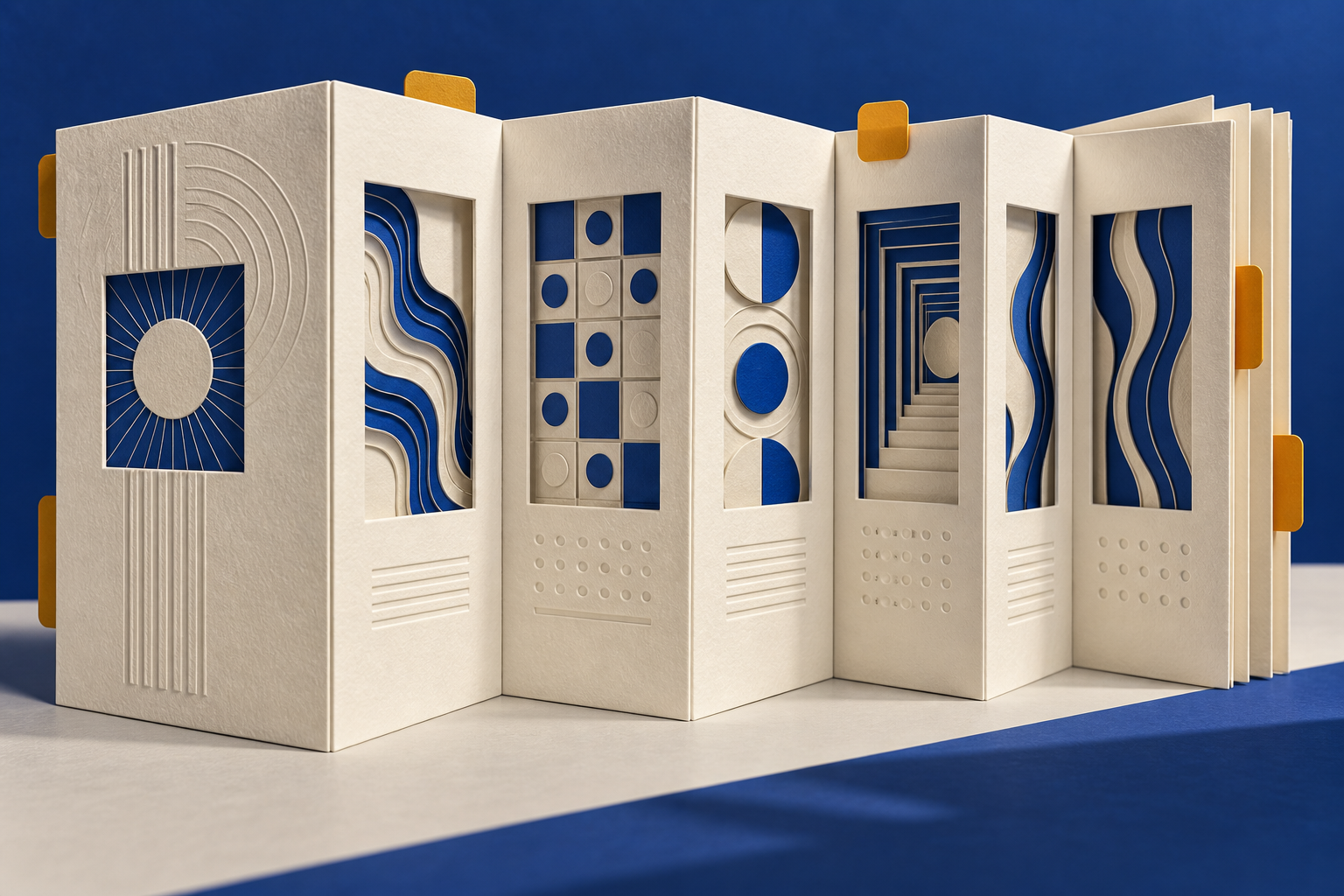
One starting point, several questions
A foundation model learns patterns before being adapted to a particular job. NASA’s September 10 announcement describes a lunar model developed with IBM and research partners: scientists can adapt its training to mapping craters, volcanic features and possible ice environments. The opportunity is to reuse what it learned from lunar observations instead of starting each task from scratch. [1]
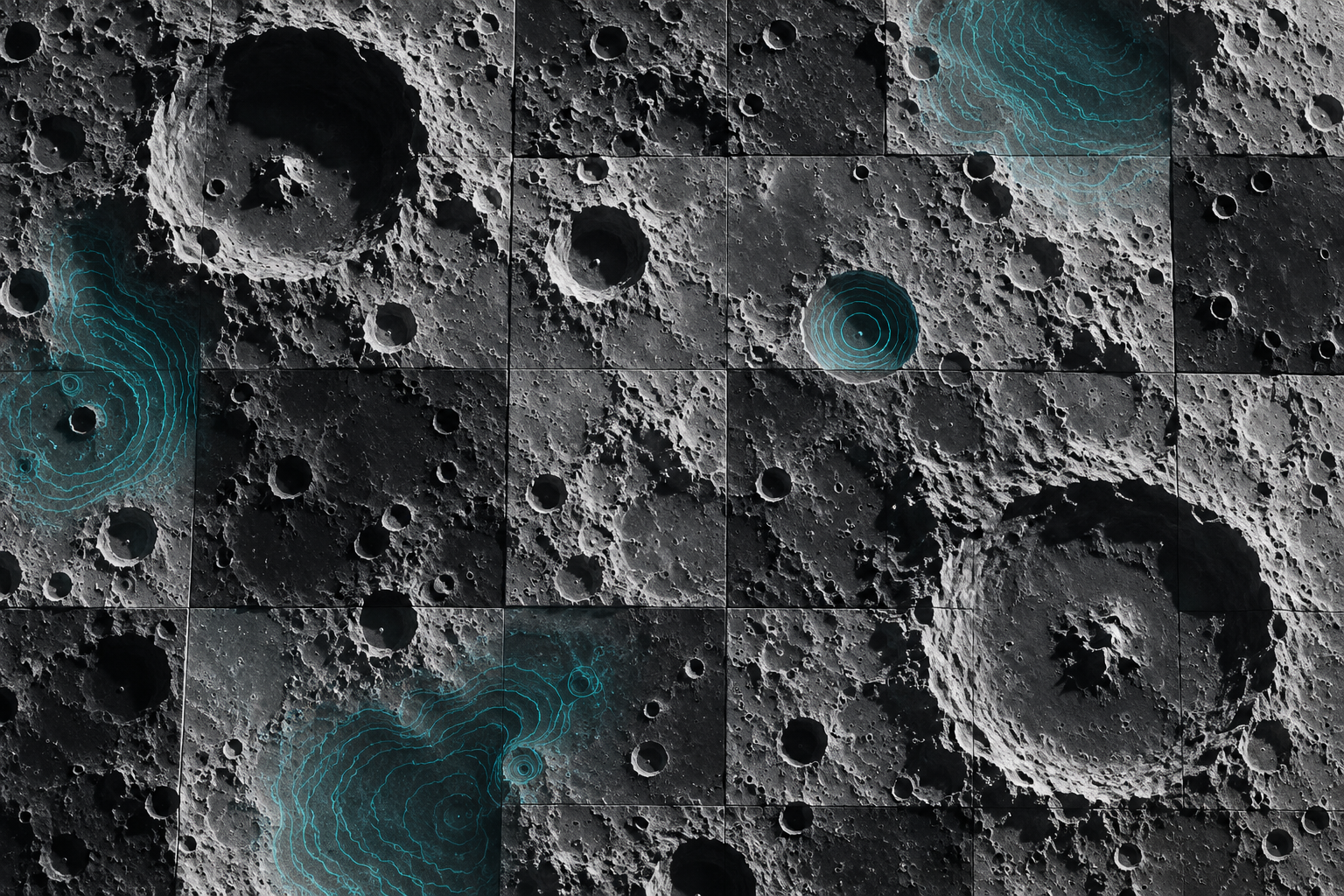
A map prediction needs a clear target
The model card describes ice prospectivity: an estimate learned from a reference map of conditions associated with possible ice. That reference is a knowledge-based combination of indicators, not a set of measured ice deposits. Matching it does not establish that a location contains recoverable water. [2]
The same model still needs task-specific checks
The developers report separate evaluations for crater detection, volcanic-feature outlines and ice prospectivity. Their card advises treating some closely matched results as comparable, because the differences are smaller than variation between training runs. This is developer-reported evidence, not an independent replication. [2]
A useful way to read the next AI map
Our reading suggestion: ask what the colored area represents, how the reference answer was produced, and what observation would confirm it. A helpful map can direct a scientist’s attention without being the final discovery. That distinction makes the application more interesting: the tool supports an investigation with a specific next question.
Go a little deeper
Optional reading · about 1 more minute
Open code has a boundary too
The linked repository supplies fine-tuning and inference code—the steps for adapting a model and using it. Its README explicitly says pretraining code is not included. Read that scope alongside the announcement’s description of the release before assuming every stage can be reproduced from this repository alone. [3]
Prediction is not landing clearance
The model card says its generated fields are not calibrated scientific products and the model is not validated for operational decisions such as landing-site certification. Our interpretation: treat this as research assistance, with each proposed use requiring its own evidence, rather than as a general navigator for a spacecraft. [2]
Original sources
Attributed synthesis, not original reporting. Examples labeled hypothetical or illustrative are explanatory. Reviewing a source does not independently validate its findings.
- NASA: NASA, IBM Launch AI Foundation Model for Lunar Science ↗
September 10, 2026 announcement; release, task examples and source links reviewed September 15. Institutional account, not independent testing.
- NASA-IBM Lunar Foundation Model: model card ↗
Intended use, evaluation and limitations reviewed September 15, 2026. Developer documentation; numerical performance not reproduced.
- NASA-IMPACT: Lunar Foundation Model repository ↗
README release scope read in Chrome September 15, 2026. No code execution or full training replication.