Protect the destination and the evidence
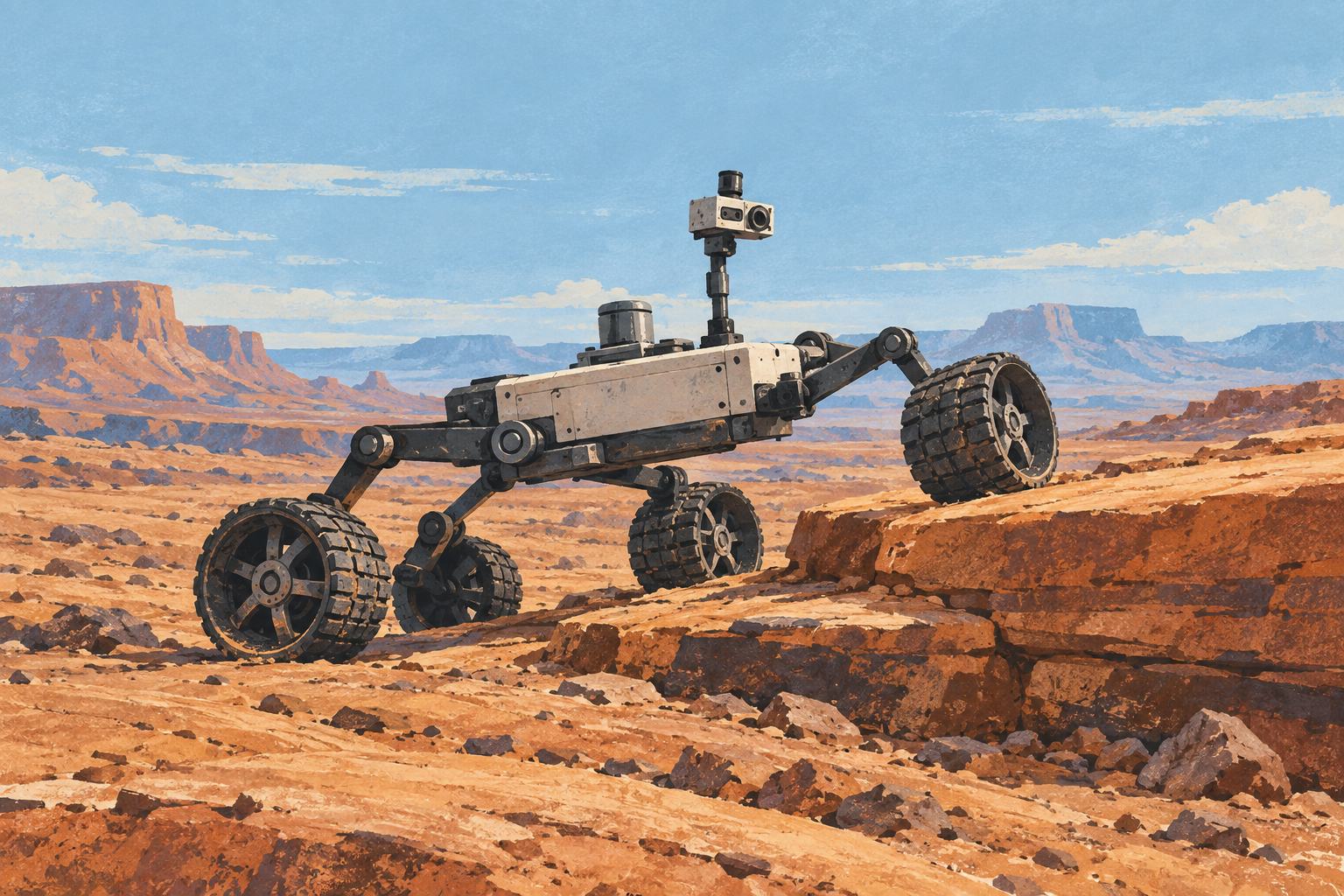
JPL’s Mars 2020 launch press kit describes two reasons for biological cleanliness: limiting harmful Earth-based contamination of Mars and reducing contamination of samples collected for science. These are related goals, but one concerns the destination while the other concerns how scientists interpret what the robot collects. [1]
- Clean: limit material carried from Earth
- Record: track possible contamination
- Model: assess release, survival and growth
Clean the hardware, then keep a record
The historical press kit describes clean-room assembly and cleaning methods selected to avoid damaging spacecraft parts. It also describes keeping track of known onboard materials and carrying witness tubes to record conditions in the sampling system. A contamination record helps distinguish what may have come from Earth from what a sample contains. [1]
Models ask what happens after release
NASA’s August 28, 2026 M-FORCE announcement calls for reassessing contamination risks through biological, environmental and technical models. It specifically names release, survival and growth under Mars conditions, as well as existing prelaunch cleaning practices. The announcement describes an assessment with a planned report; it is not itself the team’s findings or a newly adopted standard. [2]
Go a little deeper
Optional reading · about 1 more minute
The stages should remain separate
Our interpretation: A model of what organisms might do after release and a record of how hardware was cleaned answer different questions. Keeping those stages visible makes a risk argument easier to inspect. A modeled outcome should not erase the need to understand its starting assumptions.
Read the dates with the claims
The M-FORCE notice estimated work from September through November 2026 and requested applications by September 11. That application date has passed. This explainer uses the notice to describe the questions NASA proposed investigating; it does not claim a final report has been completed or that applications remain open. [2]
Original sources
Attributed synthesis, not original reporting. Examples labeled hypothetical or illustrative are explanatory. Reviewing a source does not independently validate its findings.
- JPL: Mars2020 biological cleanliness ↗
Historical 2020 launch press kit; exact page publication day not established. Opening goals, cleaning and witness-tube passages read September 27. Future-tense launch language treated historically.
- NASA: M-FORCE planetary protection assessment ↗
August 28, 2026 announcement. Objectives, planned outputs, timeline and expired September 11 deadline read September 27; not final findings or adopted policy.