Keep the missed goal visible
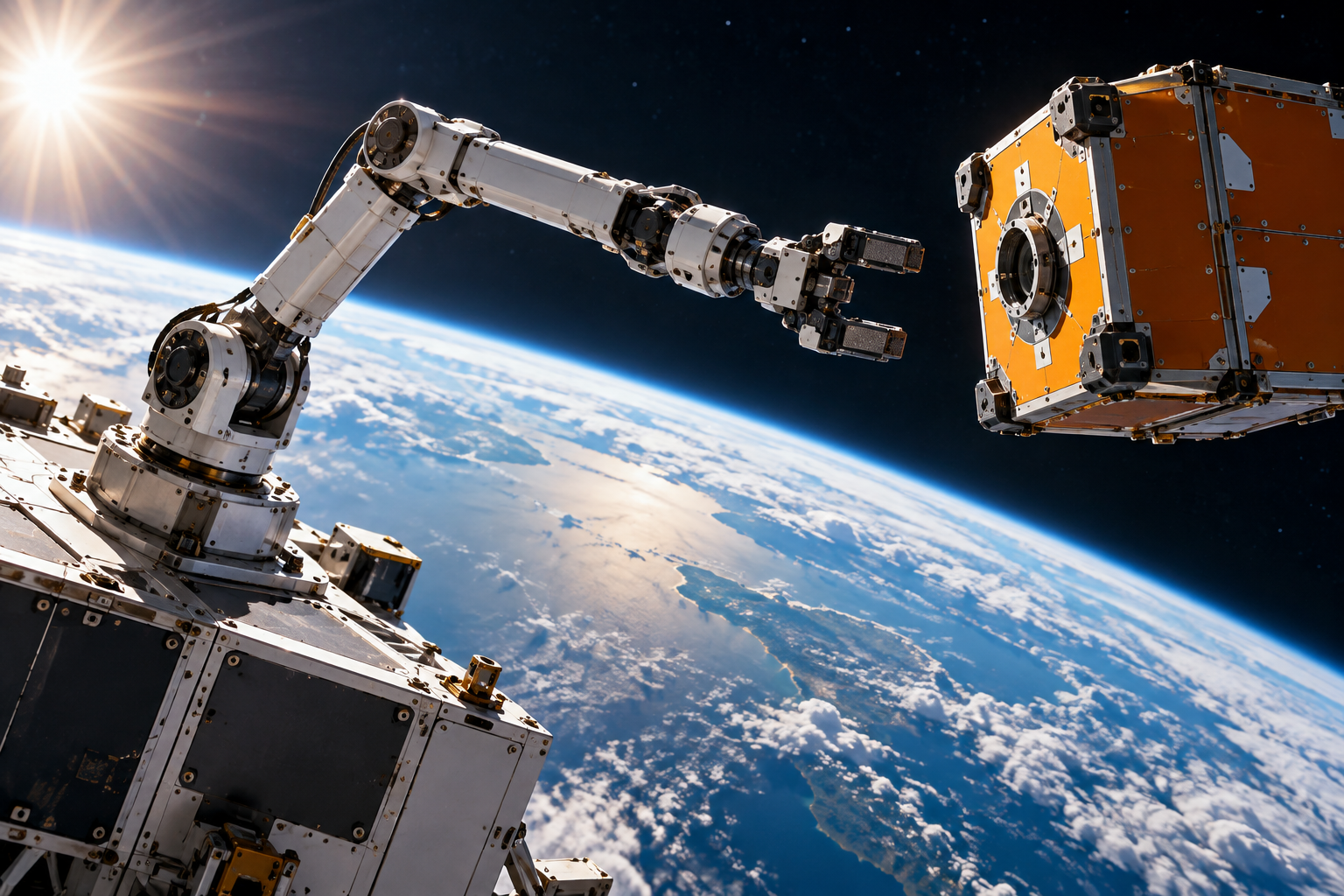
NASA announced on August 19, 2026, that attitude-control problems meant Katalyst Space’s LINK spacecraft would not capture or raise the orbit of the Swift observatory as planned. The revised mission would attempt other rendezvous and proximity demonstrations. [1]
Look at the tests actually reported
NASA’s September 4 update says LINK raised its own orbit, adjusted its orbital alignment, deployed its three robotic arms and fired its three electric thrusters together. These are reported tests of capabilities, not evidence that LINK captured or boosted Swift. [2]
Stopping short is a real boundary
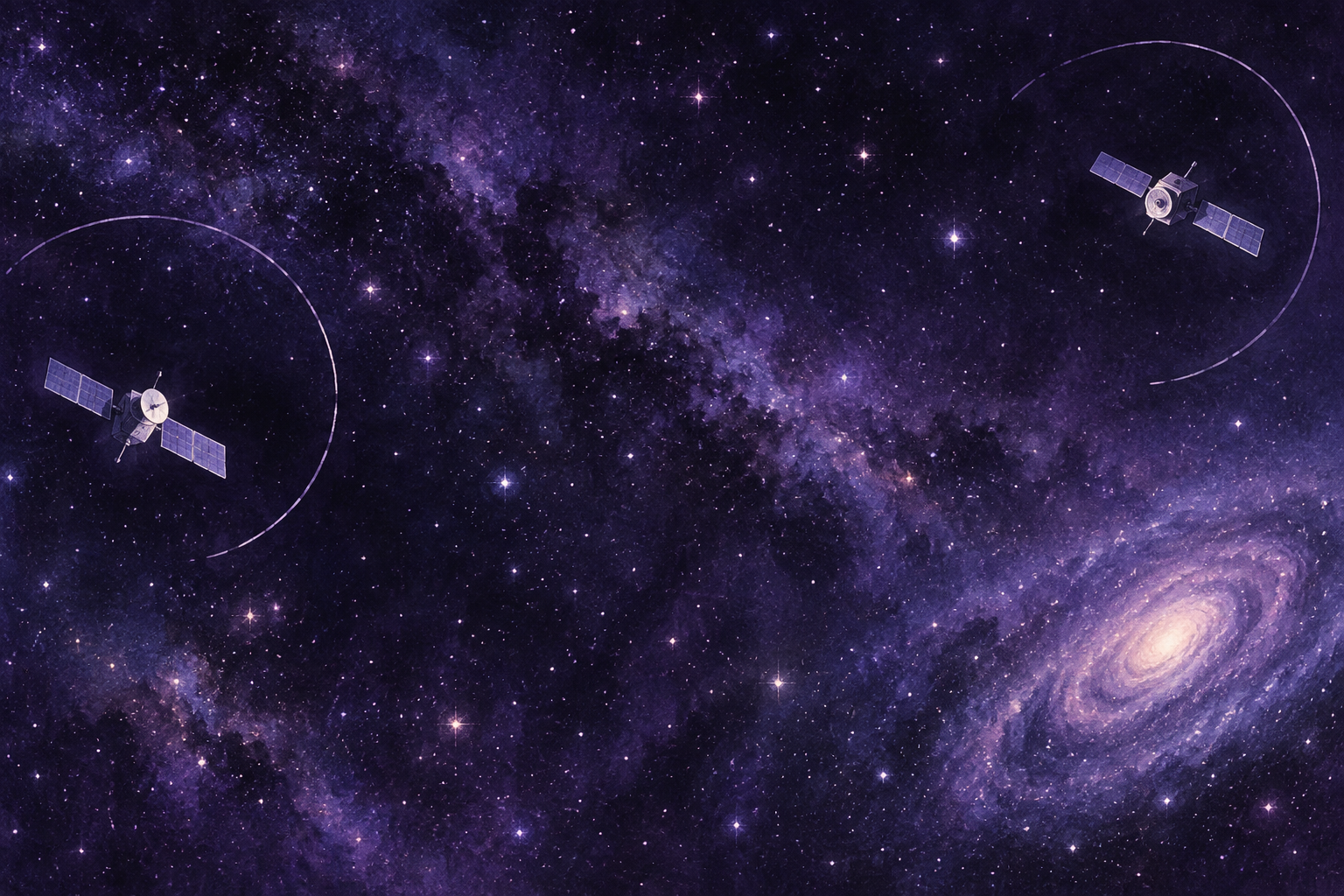
That update says LINK came within roughly 12–15 kilometers of Swift and would make no closer approach during its remaining operations. The report describes collecting information for future servicing work. It does not turn the original servicing objective into a completed task. [2]
Separate learning from mission success
Our interpretation: a mission review can acknowledge both a missed objective and useful test evidence. The next question is which specific uncertainty each test reduced. “The arms deployed” and “the satellite was serviced” belong in different boxes, even when they concern the same spacecraft.
Go a little deeper
Optional reading · about 1 more minute
Read the sequence, not just the promise
The August announcement withdrew the capture-and-boost objective. The September update then described the remaining tests and approach limit. NASA’s Swift blog still listed September 4 as its newest update when we checked September 14. This is a review of those dated reports, not a claim about unreported events since then. [1] [2] [3]
What to look for next time
Our suggested follow-up is a task-by-task account: what was commanded, what was observed, and what changed in the next design? Keep those questions separate from whether a customer’s original mission was delivered. An unfinished journey can generate evidence without becoming the journey that was promised.
Original sources
Attributed synthesis, not original reporting. Examples labeled hypothetical or illustrative are explanatory. Reviewing a source does not independently validate its findings.
- NASA: Next Steps for Commercial Swift Boost Mission ↗
August 19, 2026 announcement read September 14. Capture/boost objective withdrawn after attitude-control issue; agency mission account, not independent validation.
- NASA: Commercial Spacecraft for Swift Boost Continues Tech Demo ↗
September 4, 2026 update read September 14. Orbit maneuvers, arms, thrusters and approach limit reviewed. No later deorbit outcome inferred.
- NASA Swift mission blog ↗
Mission index checked September 14, 2026; newest listed post dated September 4. Index review does not verify events absent from published reports.